Discovery
There are plenty of reasons to visit Morocco. The imperial cities and their palaces attract history enthusiasts; the Rif and Atlas mountains are a hiker's playground; the Mediterranean beaches welcome subathers and Atlantic beaches surfers. In the evening, everyone gets together around a table garnished with delicious traditional dishes.
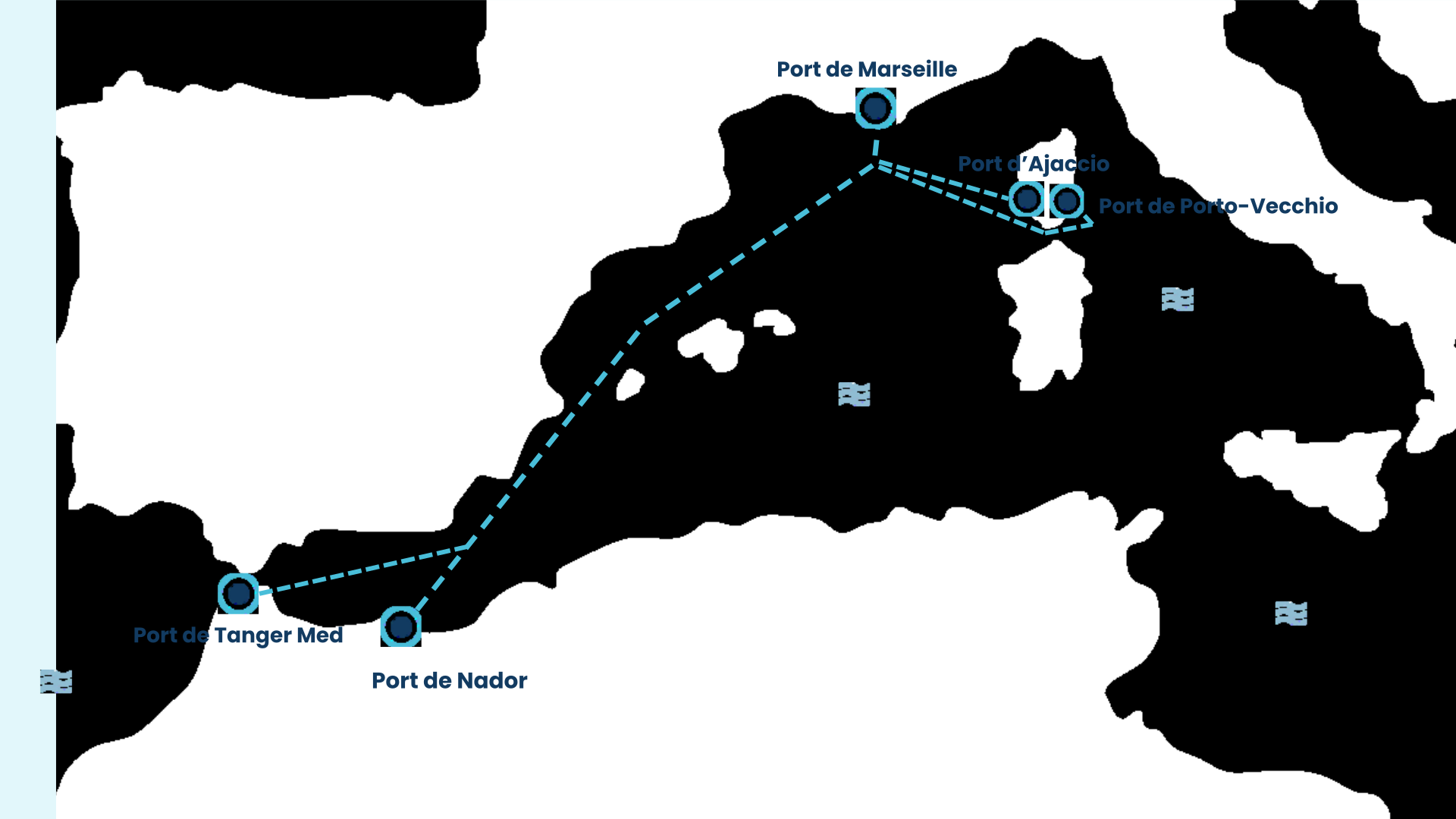
Whether you've chosen to travel to Morocco during the school vacations or in off-season, La Méridionale will take you to the land of the setting sun thanks to its regular Marseille-Tangier connections.
On board, our chefs' cuisine and our smiling crew will give you a taste of Moroccan hospitality.
Morocco: when should I go?
Would you like to book your ferry ticket to Morocco, but you're not sure when to go to Morocco to get the most out of your stay? The answer depends on the region you are visiting and the activities you have planned.
With its warm, sunny days, the Kingdom can be visited all year round. However, certain periods are better for hiking, cultural tourism or swimming.
If you want to embark on a trek in the Atlas Mountains, it's best to go to Morocco in summer to take advantage of beautiful days and mild nights.
Spring and autumn are ideal for discovering imperial cities like Marrakech, Fez and Meknes.
Finally, if you go to Morocco in August and summer, either as part of the operation Marhaba, or because you have to take your holidays at a set time, it's best to go to the coast. In Tangier, Essaouira and Casablanca, the heat is less stifling than inland.
The weather in Morocco
Morocco is influenced by three climates. In the north and along the coast, the Mediterranean climate dominates, with hot summers and dry winters.
In the center of the country, a mountainous region, we find a mountain climate. Temperature vary greatly between seasons and between day and night. Snow falls from January to April.
In the south, the desert climate prevails. Rain is rare and temperatures are high all year round, even in winter. In this part of Morocco, in summer, desert winds and altitude make the heat more difficult to bear than in the rest of the Kingdom.
The climate in Marrakech
The Ochre City enjoys a semi-desert climate. Winters are mild, with temperatures between 6° and 19° Celsius, and summers very hot. In Marrakech, in August, the mercury can rise to 37°.
Rainfall is concentrated between October and April, the rainiest month. But the sun always shines in the end.
Whatever the season, the city enjoys ten hours of daily sunshine.
April, May, September and October are the most pleasant months to explore the gateway to the South.
If you're planning a trip to Morocco in summer, it's best to avoid the City of the Seven Saints. The heat can be overwhelming there, both day and night.
The climate in Essaouira
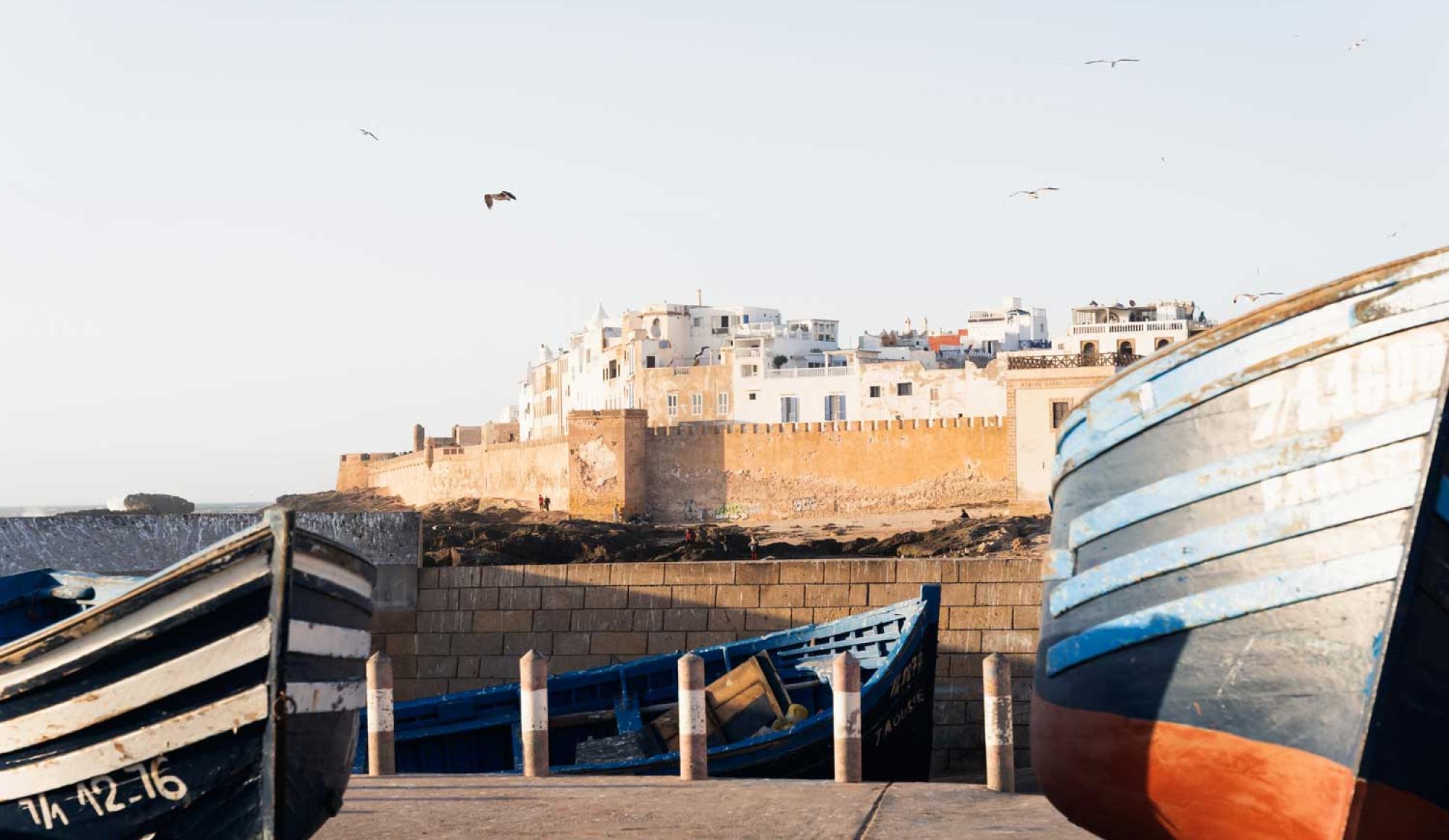
Located on the Atlantic shore, Essaouira enjoys a Mediterranean climate with an oceanic influence. Thanks to the ocean currents, the weather is mild in winter and summer.
Temperature variations are less marked than in the rest of the country.
The thermometer almost never dips below ten degrees and doesn't rise higher than 23°C, even in July.
The water temperature ranges from 18°C in January and 22°C from July to October. If you're planning to go surfing or kitesurfing in Morocco, pack your wetsuit!
From May to September, the ocean brings mist and fog in the morning. But don't worry, they clear in the afternoon and make way for the sun.
The best time to visit or swim in Essaouira is from May to October. Essaouira is also one of the best destinations to go to in Morocco if you're traveling during the summer.
The climate in Casablanca
Further north, on the Atlantic shore, Casablanca also enjoys a Mediterranean climate with an oceanic influence. The winters are mild, with temperatures between 9 and 20°C and little rainfall.
On fine days, the mercury rarely rises above 26°. Heat waves are less frequent and shorter than in the south of the country.
Morning mist and fog are common, but never last long.
Casablanca is a welcoming city all year round. But the months from May to September are the most pleasant to explore the White City.
The climate in Agadir
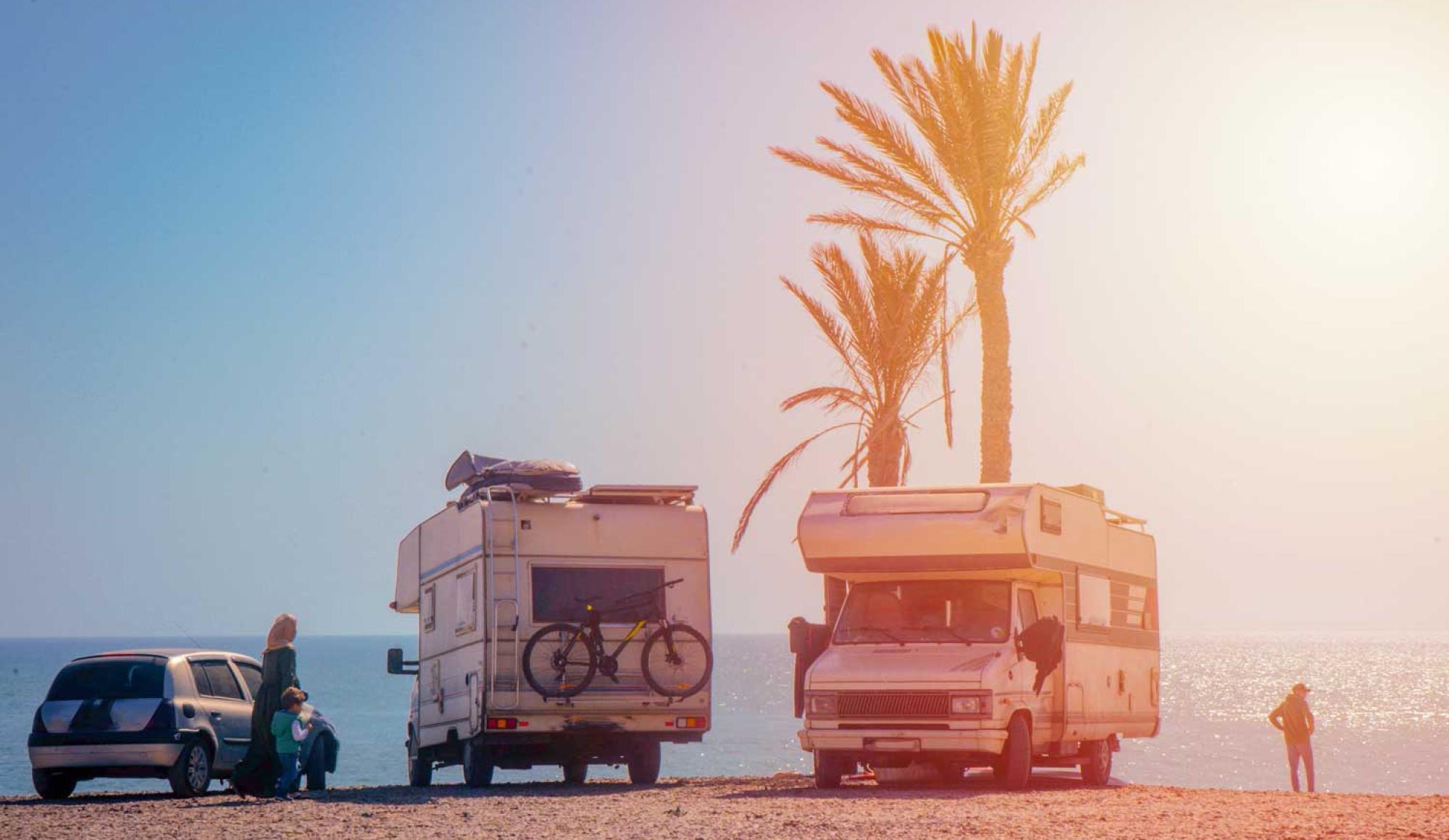
In Agadir Bay, the climate is both subtropical and oceanic. The weather is always fine and warm. The thermometer climbs up to 26°C in winter and up to 30°C in summer.
You will be swimming in water at 17°C in January and 21°C in July. The difference between water and air temperature can be significant. In Agadir in May, the ocean is only 18°C while the air is 26°C.
To enjoy the beach and the sea, go to Agadir between June and October. You'll avoid the rain and enjoy warm, bright days.
Why go to Morocco?
To decide when is the best time to go to Morocco, think about what you would like to do there. And if you have to travel on certain dates, don't worry. Whatever the season, you'll always find something to do in Morocco.
The beach in Morocco
With over 3,500 kilometers of coastline, Morocco is a dream destination for sea lovers. Opening onto both the Mediterranean Sea and the Atlantic Ocean, it is possible to swim sheltered from the waves, dive and surf.
The seaside resorts on the Atlantic coast, such as Essaouira and Taghazout, are ideal for water sports. Although located on the ocean, Agadir offers calm waters, perfect for a family swim. Its fine sandy beach, stretching for six kilometers, is much loved by builders of sandcastles and other temporary structures.
To avoid the swell and find warmer water, head for the Mediterranean coasts. In Tetouan, M'Diq and Martil, the blue sea and golden sand seem unreal.
Between sea and ocean your heart sways? Set course for Tanger. The Pearl of the North overlooks both the Atlantic and the Mediterranean.
Visit Moroccan towns and villages
Before booking your ticket, you're probably wondering what to visit in Morocco. If this is your first visit to the Kingdom, set off to discover the imperial cities. In Fez, Marrakech, Rabat and Meknes, you'll learn a lot about Moroccan history and culture. As well as palaces, kasbahs and souks, they have museums and parks.
If you're going away for two weeks, add Chefchaouen and Essaouira to your itinerary. With their colored medinas and seafront, the Blue City and City of the Winds have become must-see sites when traveling in Morocco.
Hiking in the Moroccan desert
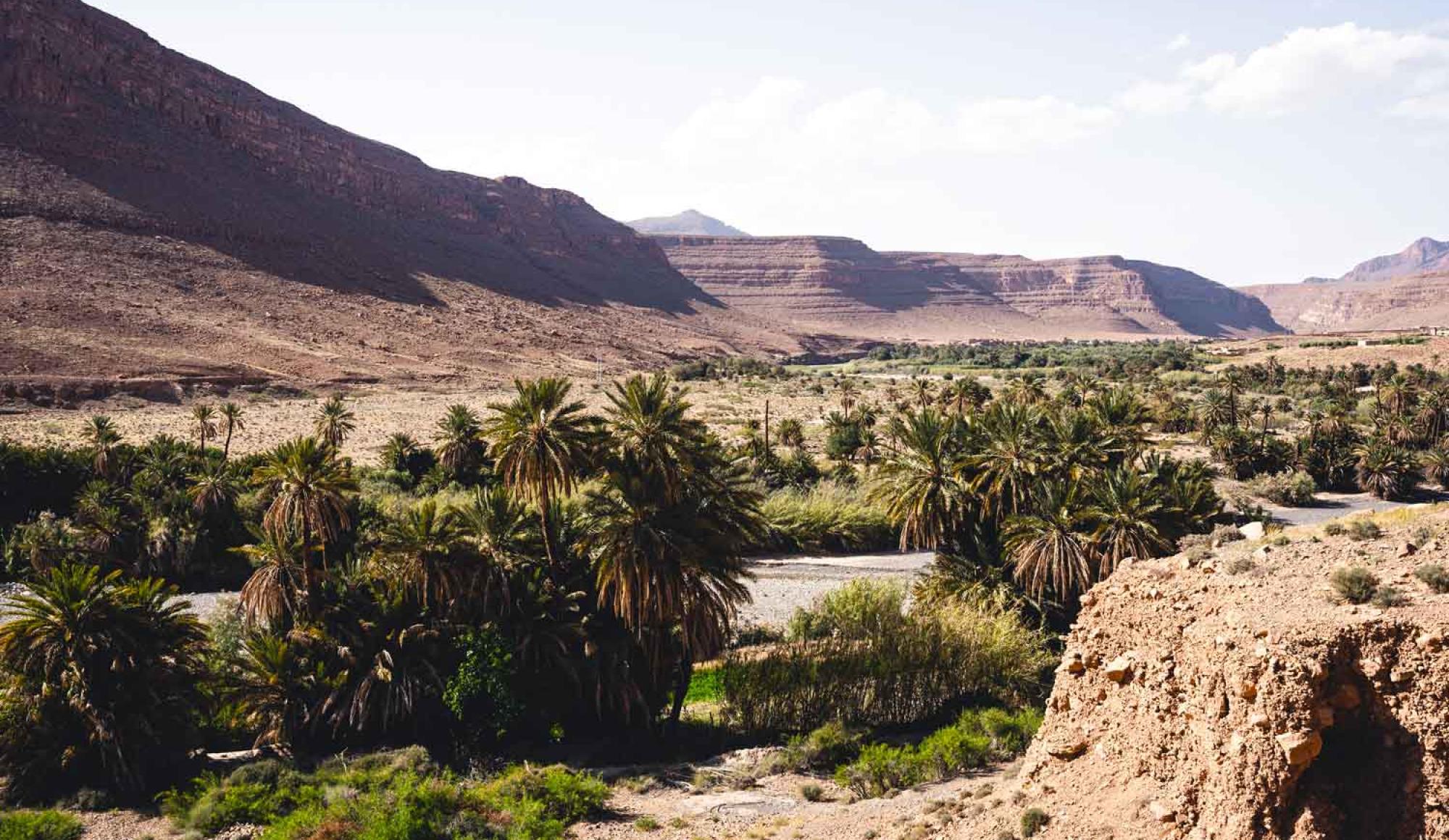
Do you dream of walking through the palm groves of the Drâa Valley, wandering the canyons of the Valley of the Roses or setting off on a 2,700-meter climb up the jebel Saghro? Head for Morocco in September.
The end of the summer is the best time to explore the Moroccan desert, Zagora and Ouarzazate, the last towns before the Sahara.
You don't have to be a top athlete to admire the scenery.
The more sporty opt for walking and mountain biking, while the less seasoned prefer a ride on 4x4 or on a camel's back.
Returning to the homeland
Every year, several million Moroccans living abroad return to the Land of the setting sun for their vacations. It's an opportunity to reunite with family, get some rest and (re)discover the region where they were born.
In order to provide the best possible welcome for its nationals, the State is setting up reception points in the main ports of departure in Europe (Marseille, Genoa and Spain) and in the places of arrival in Morocco.
The Marhaba operation, run by the Mohamed V Foundation for Solidarity, begins on June 5 and runs until September 15.
If you book your ferry ticket to Morocco with La Méridionale, you'll be welcomed in Marseille and Tangier by Marhaba professionals and volunteers. If necessary, they will provide you with medical, administrative or social assistance to ensure that your entry into Morocco goes smoothly.
Invitations to travel
- Locations
Moroccan desert and southern valleys
- Locations
Marrakech in december
- Discovery
Fancy visiting Morocco: follow the guide
Our destinations
Ajaccio
Porto-Vecchio
Tangier
Marseille

Stay in touch
Subscribe to our newsletter
You'll be the first to keep up with our latest mediterranean news and exclusive offers
Our trust indicators
90%
satisfaction* rating
*During our most recent survey, you gave us a 90% satisfaction rating.

Very warm welcome
Very well organized boarding and disembarkation, with attentive staff on board. The ship is very clean, featuring two dining areas and a decent bar, all staffed by very friendly personnel. The boat’s size means there are no crowds or long lines, making vehicle boarding and disembarkation quick and easy. The atmosphere is very family-friendly and intimate, much appreciated for being away from tourist crowds and large cruise ships!
Caroline B.
9/15/2025