Discovery
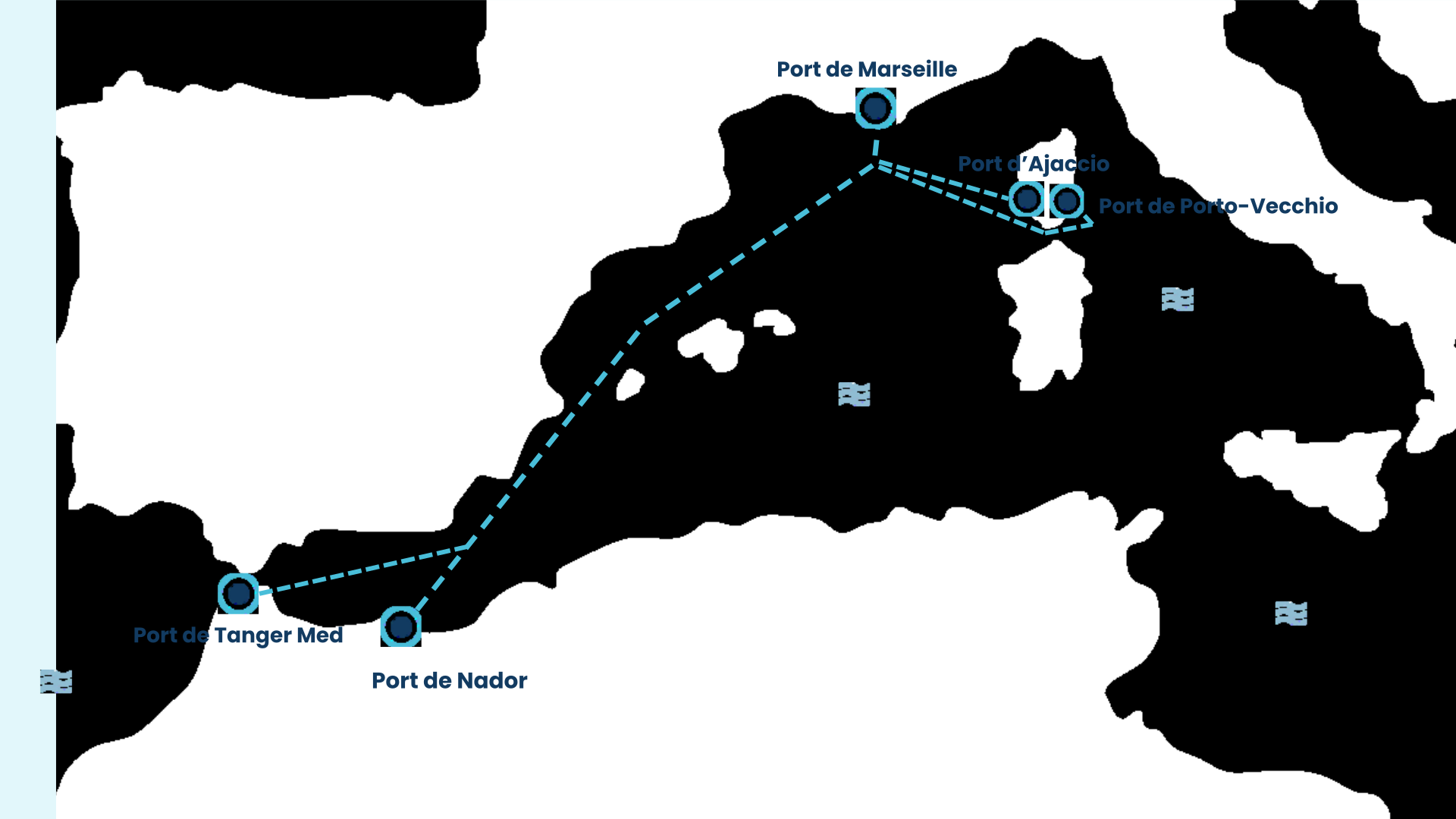
La Méridionale whisks you off to visit Morocco on-board its Marseille to Tangier ferry. By making the crossing on our ferry to Morocco, you can travel with your car, motorbike or campervan and start your road trip as soon as you arrive.
Are you wondering what you can do in Morocco? The kingdom of the far-distant setting sun, a mix of sea and desert, ocean and mountains, invites you to delight in a host of options. Marrakech, with its palaces and museums is a must-visit place. But, the country overflows with treasures. Tangier's beaches, the port of Essaouira and the medina in Chefchaouen will also be unforgettable experiences for curious travellers. And for nature lovers among you, head off to Agadir and its Paradise Valley as well as the waterfalls at Draa.
Visiting Marrakech , Gateway to the South
Marrakech, founded in 1062 by Sultan Youssef Ibn Tachfine, bears its title as Imperial City of Morocco, proudly, as can be seen through the myriad of palaces it boasts. The splendour of Bahia Palace, also known as El Badi Palace, whisks you off into an atmosphere worthy of the 1,001 nights.
The ochre-hued city grew greatly and is now divided into two parts. The old town unveils its soul to visitors through the labyrinth of alleyways and its medina. In between trips to the souk, step over the threshold into the Jardin Secret. This site is actually two gardens, one botanic and the other Islamic, and together they are a real haven of peace. Relax under the orange trees and enjoy a few moments of quietness, far from the hustle and bustle of the kasbah and Place Jemâa-El-Fna.
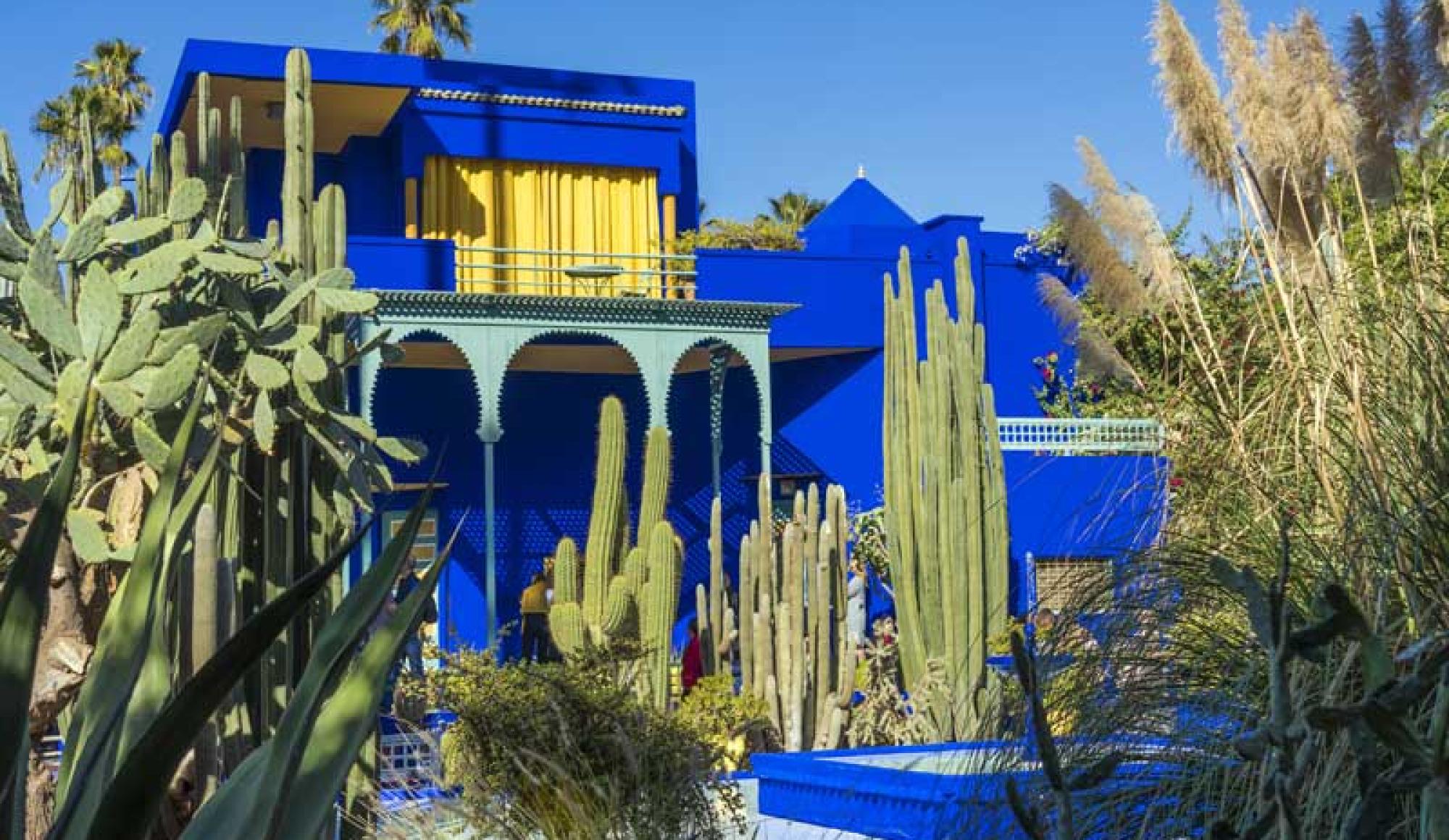
On the other side of the square is the Guéliz district, the modern, Western city. Less typical, it's nevertheless worth the trip while you're visiting Morocco.
This is where the Villa Majorelle and its iconic blue garden nestle, as well as new art museums like the Yves Saint-Laurent Museum or the Marrakech Museum of Art and Culture (MACMA).
There's no shortage of activities to do in Marrakech. History buffs will opt for a visit to the Saadian tomb, while families will enjoy a camel ride through the Palmeraie. The more adventurous will be tempted by a hot-air balloon flight over the city or a paragliding outing.
When evening comes around, the city of the 7 Saints transforms into a party capital. People from all over the kingdom visit Marrakech to dance, play at the casino or simply sip a cocktail in one of the city's bars.
Visit Tangier, Pearl of the North
Tangier, the northernmost city on the African continent, is marked by a mix of cultures. Cosmopolitan and freedom-loving, it has been a haven for many artists, from the painter Matisse to the poets of the Beat Generation.
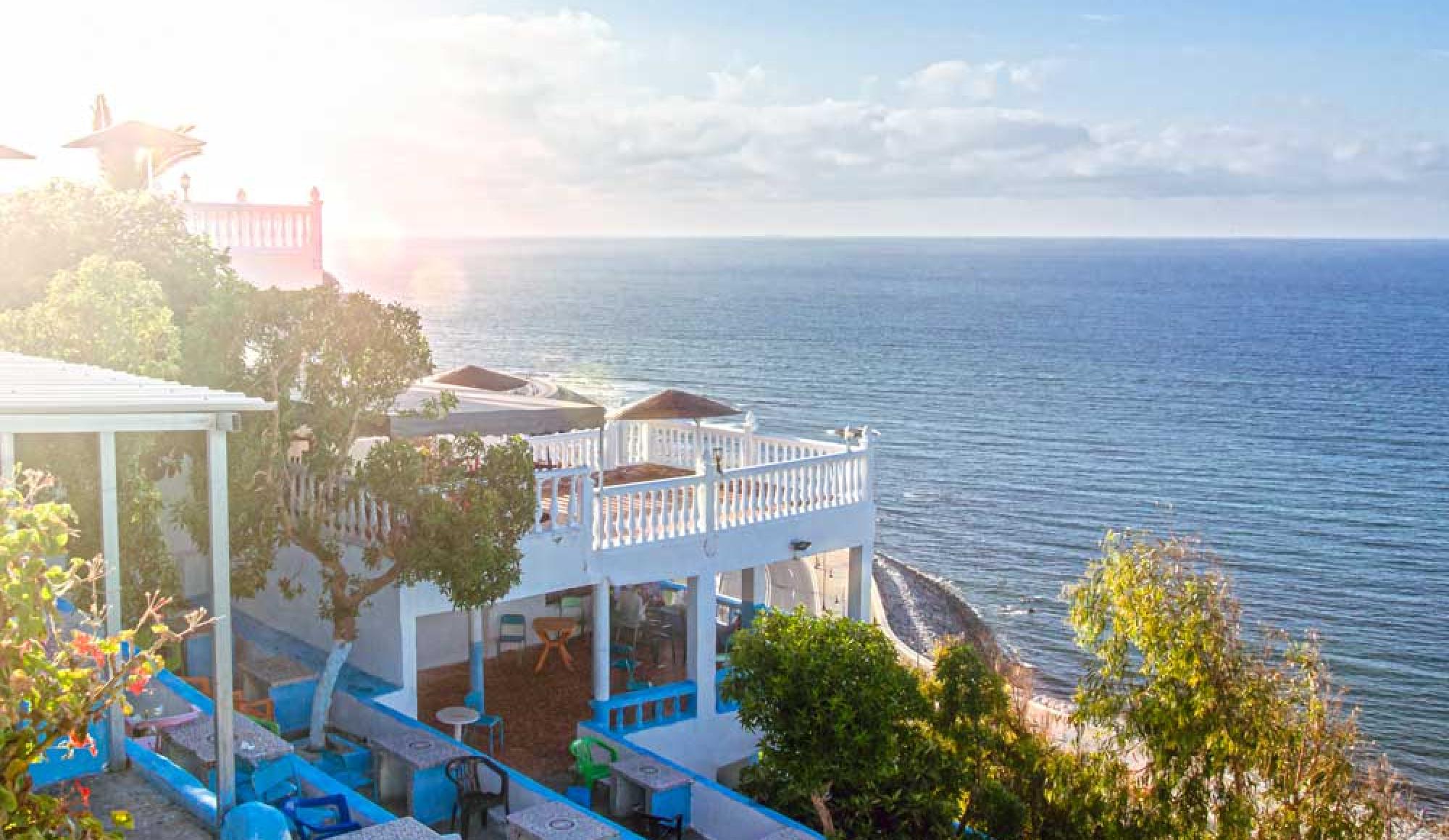
The Pearl of the North has mellowed, but you're unlikely to be bored if you visit Tangier.
After enjoying a mint tea at Café Hafa or one of the cafés in the Grand Souk Market, get lost in the labyrinth of alleyways in the medina.
Its bright facades earn it the nickname Tangier, the white city, but inside, it's a profusion of color.
You can have a break in one of the stalls to sample a pastry or enjoy a tajine before making your way back to the Mendoubia Gardens and the seafront.
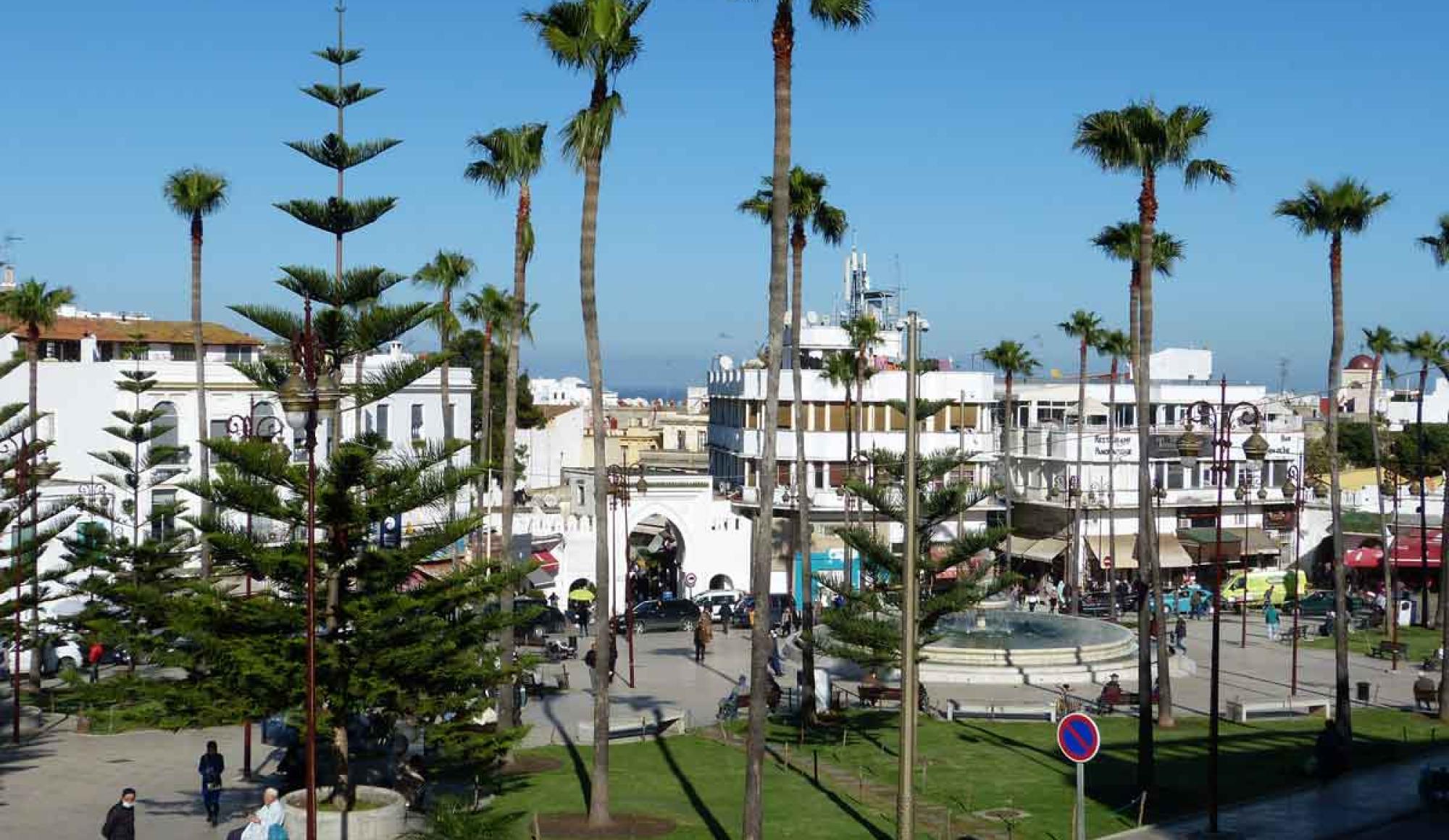
You may have discovered during your Marseille-Tangier crossing by ferry that the city is located at the crossroads between the Mediterranean and the Atlantic. When you swim off the municipal beach of Tangier, you'll actually be splashing in the sea and ocean at the same time.
When Sunday arrives, the locals get together with their families or friends in Perdicaris Park. It's the perfect place for discovering local fauna and flora. Acacia, laurel and pine trees spread out over 67 hectares. When you cross the immense garden, you'll arrive at Cape Spartel. From the lighthouse, which was the first in Morocco, the view over the Strait of Gibraltar is breathtaking.
Jean Genet and Delacroix weren't the only ones to have found refuge in Tangier. Legend has it that the mythical hero Heracles sought refuge a few kilometres from the city once he'd completed his 12 labours. Those who are sceptical can make up their own minds after visiting the Caves of Hercules. At high tide, the sea flows into this succession of limestone grottos. In the largest cave, an opening depicts an upside-down version of the shape of Africa and invites to admire the sea.
Visiting Essaouira, the Wind City
Essaouira, protected from the Atlantic winds and covetousness behind its ramparts, reveals itself as you stroll along the kasbah scala or the port scala. You'll discover the workshops of artisanal cabinetmakers and enjoy the view over the medina, the port and the Purpuraires Islands. The public are prohibited from visiting Mogador Island, the main island of the archipelago. However, you can approach it by boat to observe Eleonora's falcons.
Continue to visit Essaouira by letting yourself be guided by the colors of its medina. White facades with blue doors gradually give way to ochre streets. Amid the zelliges and ashlar gates, you'll come across a jeweler's stall. This means you've reached the mellah, the Jewish quarter and the city's liveliest market.
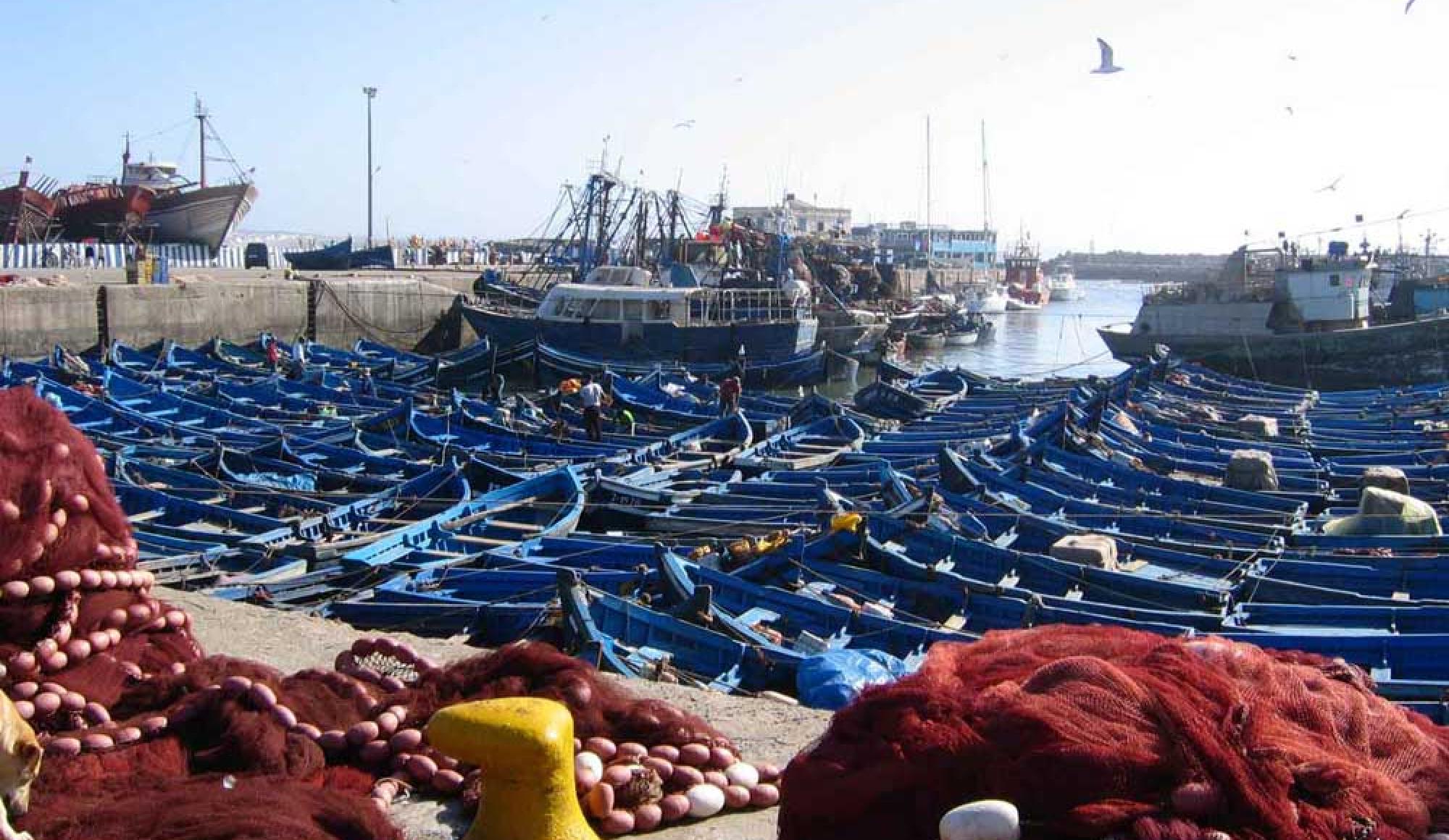
The port is also very bustling, especially around noon when the fishermen bring their daily catch to shore. It goes without saying that seagulls also hang around, ready to pinch a few freshly-caught sardines.
Before leaving this city of Trade Winds to pursue your discovery of Morocco, take a break on the beach. Ten kilometres of fine sand is waiting for you. Because of the swell, it's not always possible to swim but surfers and windsurfers will be in their glory!
If Tangier was the haven of Jack Kerouac and William Burroughs, Essaouira was favored by Orson Wells and the hippie community. The former enjoyed the fish restaurants along the harbor, while Jim Morrisson and Cat Stevens settled here for a few months. It is even said that the village of Diabat, just 3 kilometers away, and its ruined fortress inspired Jimmy Hendrix to write his song "Castles made of sand".
Drâa Valley
The bed of the Draa wadi, the oldest, longest river in Morocco, gave birth to one of the largest oases in the kingdom. Date palms flourish at the foot of the Atlas Mountains, at the gateway to the Sahara. Along this fertile valley, the valley of a thousand kasbahs begins, a must-do route for anyone wondering what to visit in Morocco off the beaten track.
First stop Agdz, home to the Kasbah of Caïd Ali. The guided tour is led by his descendants, who still live on the premises. Built in the 18th century, the building has now been restored and listed as a Moroccan heritage site.
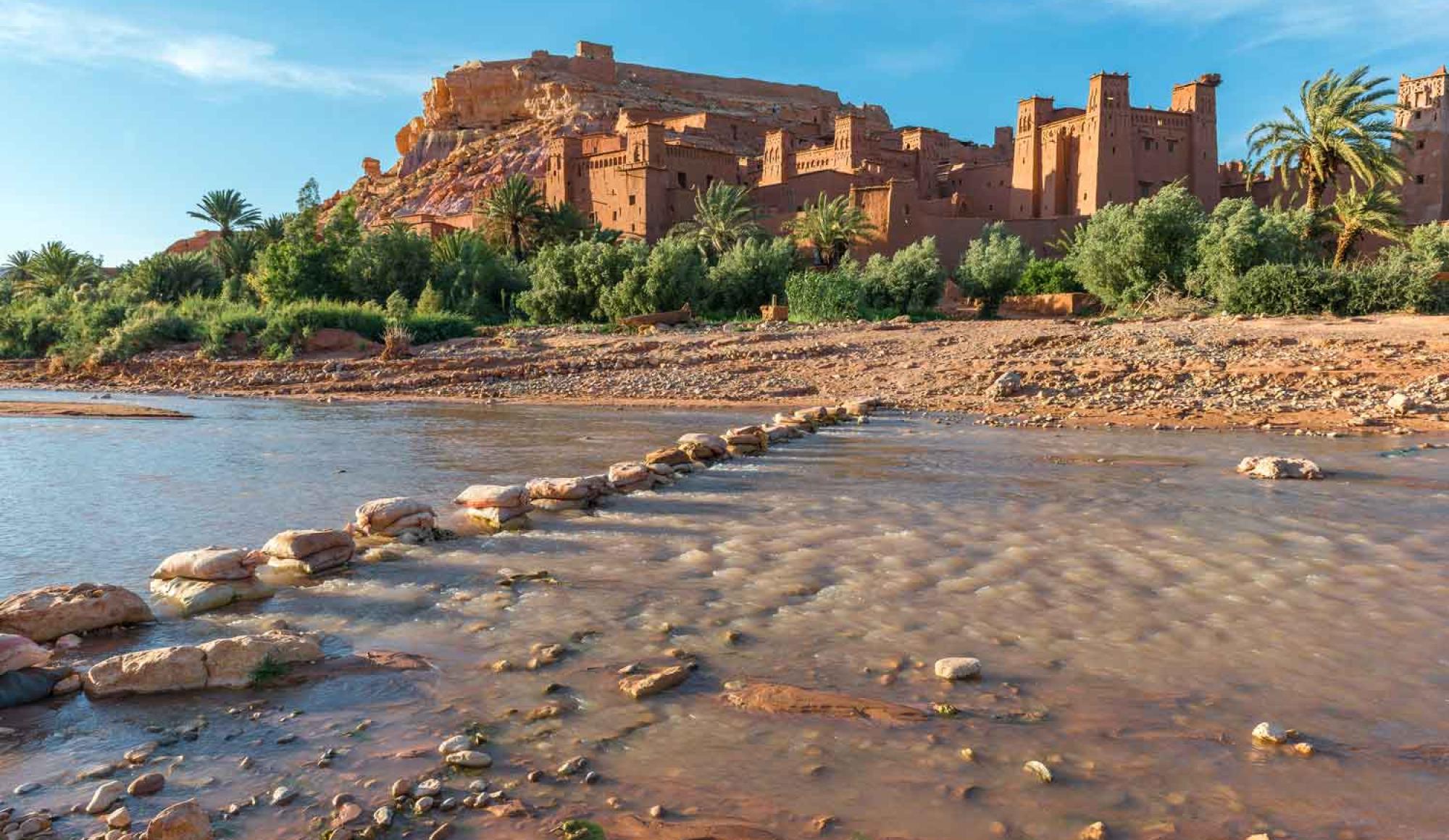
The Aït-Ben-Haddou Ksar is a UNESCO World Heritage site. If, despite its exoticism, the adobe village looks familiar, that's normal. It was the setting for the films Lawrence of Arabia, Babel and the Games of Thrones series.
Also on the caravan route stands the Berber village of Tamnougalt and its ksar. Stop to enjoy the view of the palm grove, the valley and the Rissani massif, or visit the caïd's kasbah.
The valley's flora and fauna are unique. To preserve them, UNESCO has classified the area as a biosphere reserve. Between two visits to ksars, take a detour to admire the natural heritage treasures and cool down by taking a dip in the natural pools of the Drâa waterfalls. When the weather isn't good enough for swimming, you can enjoy the scenescape during a stroll or while sipping mint tea with Omar, the guardian of the site.
The Drâa Valley wasn't always the landscape we see today. In prehistoric times, the valley and even the Sahara desert were covered with... savanna. Hard to believe? Check it out for yourself at the douar Aït Ouazik. Neolithic Berbers drew on the rocks the elephants, antelopes and other rhinoceroses they used to encounter!
Visiting Chefchaouen, the Blue City
Declared a holy city thanks, among other things, to its many religious buildings and marabouts, access to Chefchaouen or Chaouen as Moroccans call it, was forbidden to Christians until the early 20th century. Now open to the world, the blue city deserves to be on your itinerary when visiting Morocco.
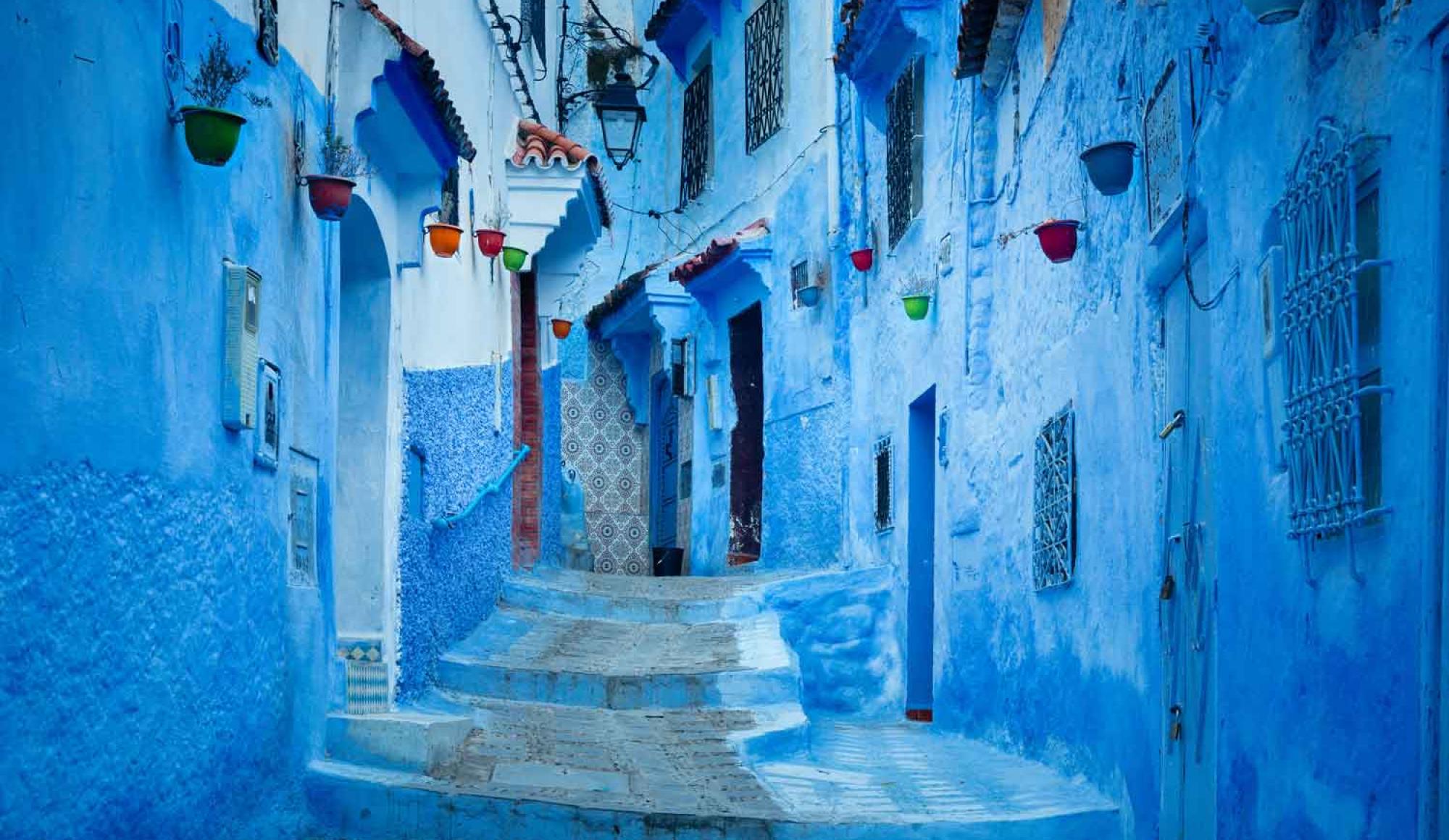
The azure facades of its medina alone are worth the detour. Around a corner, you'll see the minaret of one of the city's many mosques. Peace and quiet prevail here. You can take your time taking photos, meeting people, haggling over the price of embroidery, leather goods and carpets, or simply wandering around.
A visit to Chefchaouen also means sipping a coffee in Place Mohammed V, amid oleanders and facing the garden designed by Joan Miro. Unless you'd rather enjoy a couscous in Place Uta-El-Hammam at the foot of the great cedar trees. Once you've had satisfied your appetite, you can begin your exploration of the kasbah and its 13 towers.
Now, time to head for Ras El-Maa. This spring, which led to the construction of the city, is still used by the inhabitants. Women come here to wash their clothes in the wash house. Two trails await you here: a one-hour hike to the old Spanish mosque that overlooks the city or a stroll that takes but a few minutes to climb to the spring's source.
Francy getting far away from the crowds? Plan a stopover at the Akchour waterfalls, located in the Talassemtane natural park. You can alternate hiking, swimming and a gourmet break in one of the local restaurants. Once there, you can also contemplate the Pont de Dieu, this natural arch that crosses the river at a height of over 25 meters.
Visiting Agadir, the pearl of Morocco
An earthquake ripped through Agadir in 1960. The town was rebuilt to become a seaside resort. It welcomes tourists who wish to relax and travellers en route for the Souss Massa National Park, Taroudant and Tafraoute.
From the pre-earthquake Agadir, few traces remain. It's still possible to see the remains of the old kasbah. Perched at an altitude of 260 m, the site has become a meadow where the building's foundations remain. The former stronghold overlooks the bay and the Atlantic Ocean.
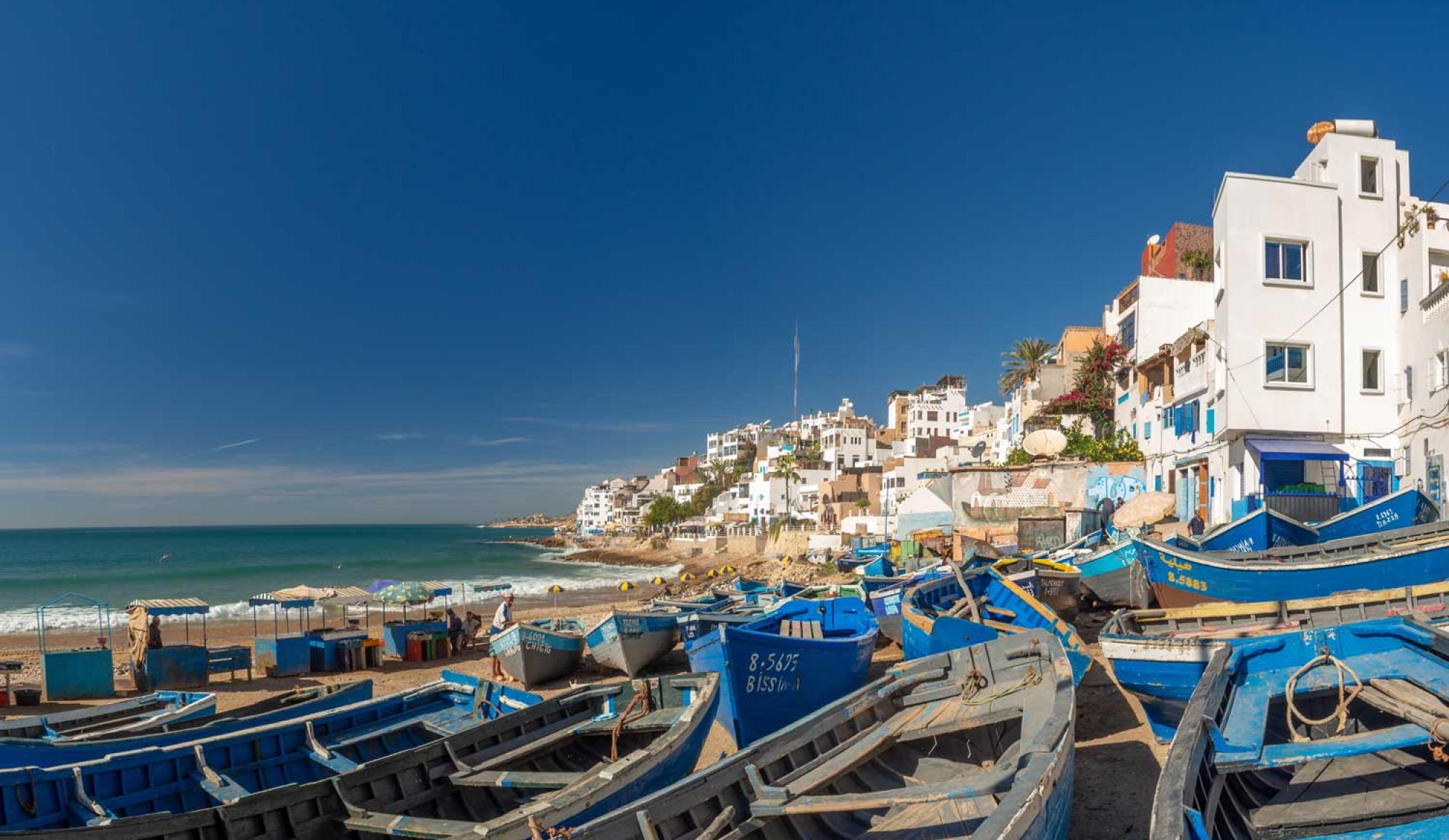
The renovation led to the creation of Morocco's largest souk, the vast and modern Souk El Had. It features more than 3,000 stalls over almost 11 hectares! It's both a place of tradition, with handicraft stores, and the rendezvous for locals who come here to do their shopping.
But the reason that drives holidaymakers to visit Agadir every year is its fine sandy beaches. The six kilometers of shoreline are lined with beaches, both public and private. Protected from the winds, the bay is a great place to swim. If you want to surf or windsurf, you'll have to leave Agadir for Taghazout (12 kilometers away).
Don't leave Agadir without visiting Paradise Valley! Just 35 kilometers from the city center, at the foot of the Atlas Mountains, natural pools and waterfalls follow one another. Locals even claim that the water has therapeutic virtues. If you've forgotten your swimsuit, take a hike along the Tamraght River. You can then resume your journey to Morocco's other cities, in a motorhome or by car, with your head full of memories.
Dreaming of visiting Morocco, touring Marrakech or trekking through the Drâa Valley? La Méridionale, the historic shipping company to Corsica, puts its expertise and sense of hospitality at the service of travelers wishing to discover Morocco. Book your place aboard the Kalliste, our boat to Morocco. We guarantee you a smooth crossing on our ferries to Morocco.
Stay in touch
Subscribe to our newsletter
You'll be the first to keep up with our latest mediterranean news and exclusive offers
Invitations to travel
- Locations
Moroccan desert and southern valleys
- Locations
Marrakech in december
- Discovery
Fancy visiting Morocco: follow the guide
Our destinations
Ajaccio
Porto-Vecchio
Tangier
Marseille