Discovery
La Méridionale will take you to discover the land of the setting sun and its gastronomy.
With their Arab, Berber, Jewish and Andalusian influences, Moroccan dishes tell the story of the country. Moroccan cuisine also expresses the generosity and hospitality of its people.
Let your taste buds transport you to a whole new world, or take you back to your grandparents' house, where, as a child, you spent your vacations.
Typical Moroccan dishes
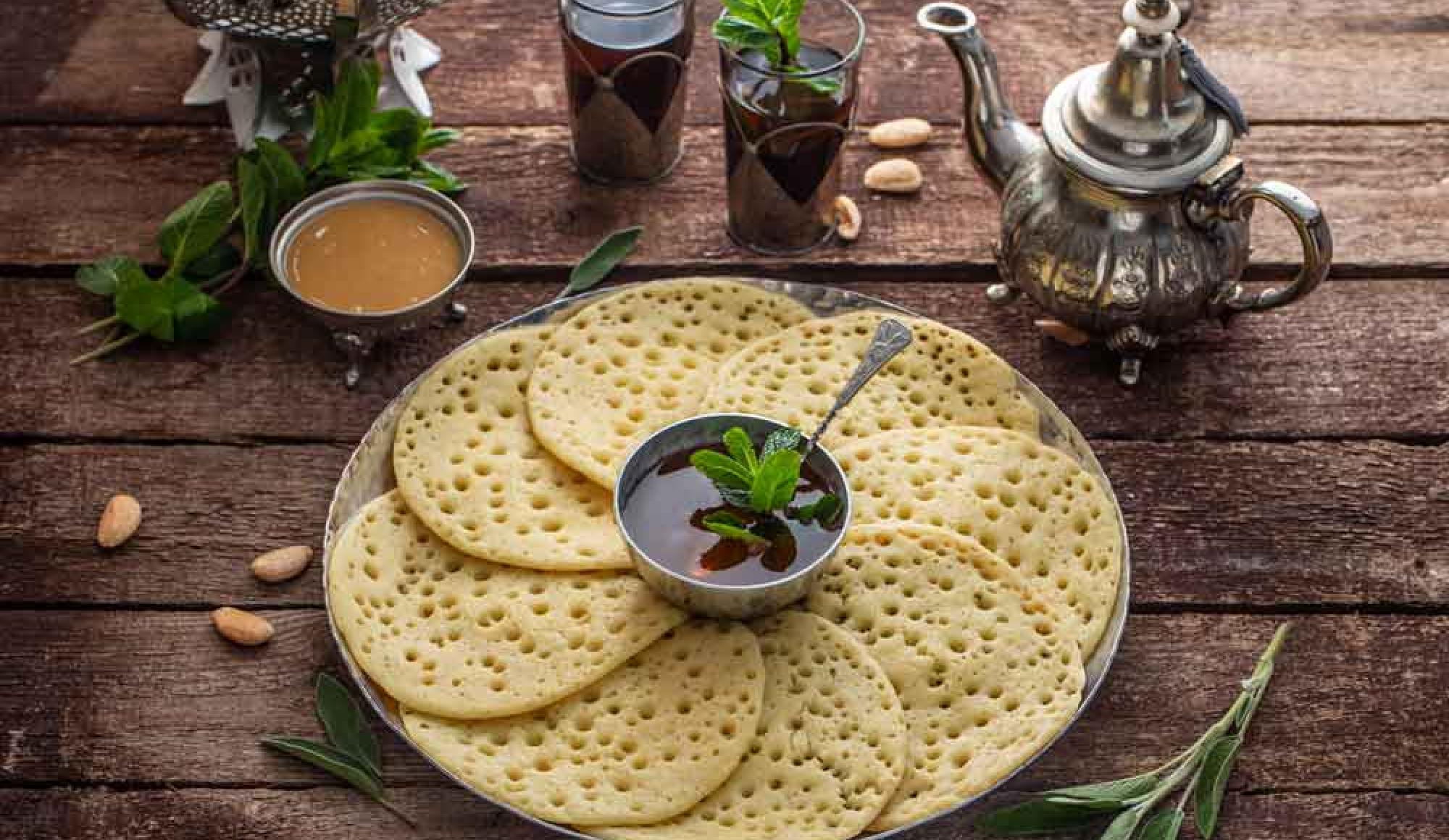
The gustatory journey begins with breakfast. It most often consists of mint tea, bread and sweet pancakes. While some Moroccans have adopted the toasted baguette, others stick to la harcha, a bread of Berber origin made with semolina. In addition to the thousand-hole pancakes, known here as baghrir, msemmen and rziza (puff pastry pancakes) are eaten in the morning.
For an energy boost before a morning at work or spent visiting the kingdom's greatest sites, sweet pancakes are drizzled with honey, jam, fromage frais or butter.
Lunch is eaten at home. Parents and children come home from school to share this meal together, the heartiest of the day. It usually begins with a salad or green vegetables. For example, you can enjoy eggplant caviar with garlic, zaalouk, or bakoula, a spicy salad of steamed spinach.
Then come the main dishes. Very popular, Moroccan couscous comes from the Berbers. In fact, it's said to be best enjoyed in villages like Ouarzazate or Tinghir. Another Berber specialty: tajine. This stew with semolina is simmered in an earthenware dish for several hours. With meat or fish, vegetables, chickpeas or prunes, the possibilities are endless. Every cook has their own recipe and secret spices.
If your getaway takes you to Marrakech, don't leave without sampling Tanjia Marrakchia. Legend has it that this Moroccan dish was invented by the workers. Every morning, before going to work, they would gather ingredients found at home in an earthen pot. They would then heat the mixture in the nearby hammam all morning. Today, Tanjia is prepared with veal or mutton shank and baked in the ashes of a wood-fired oven.
Try to save some room for dessert. Pastries are reserved for celebration days. On a daily basis, people prefer to serve an orange and mint salad with cinnamon or dates. But Moroccans are renowned for their hospitality. Your host may suggest celebrating your encounter with a ghribia. This shortbread flavored with lemon or orange blossom revisits Andalusian mantecados.
In Morocco, after school, children don't have a snack but a kaskrot. It includes the same food as at breakfast: hot and cold drinks, pancakes, Moroccan bread and side dishes.
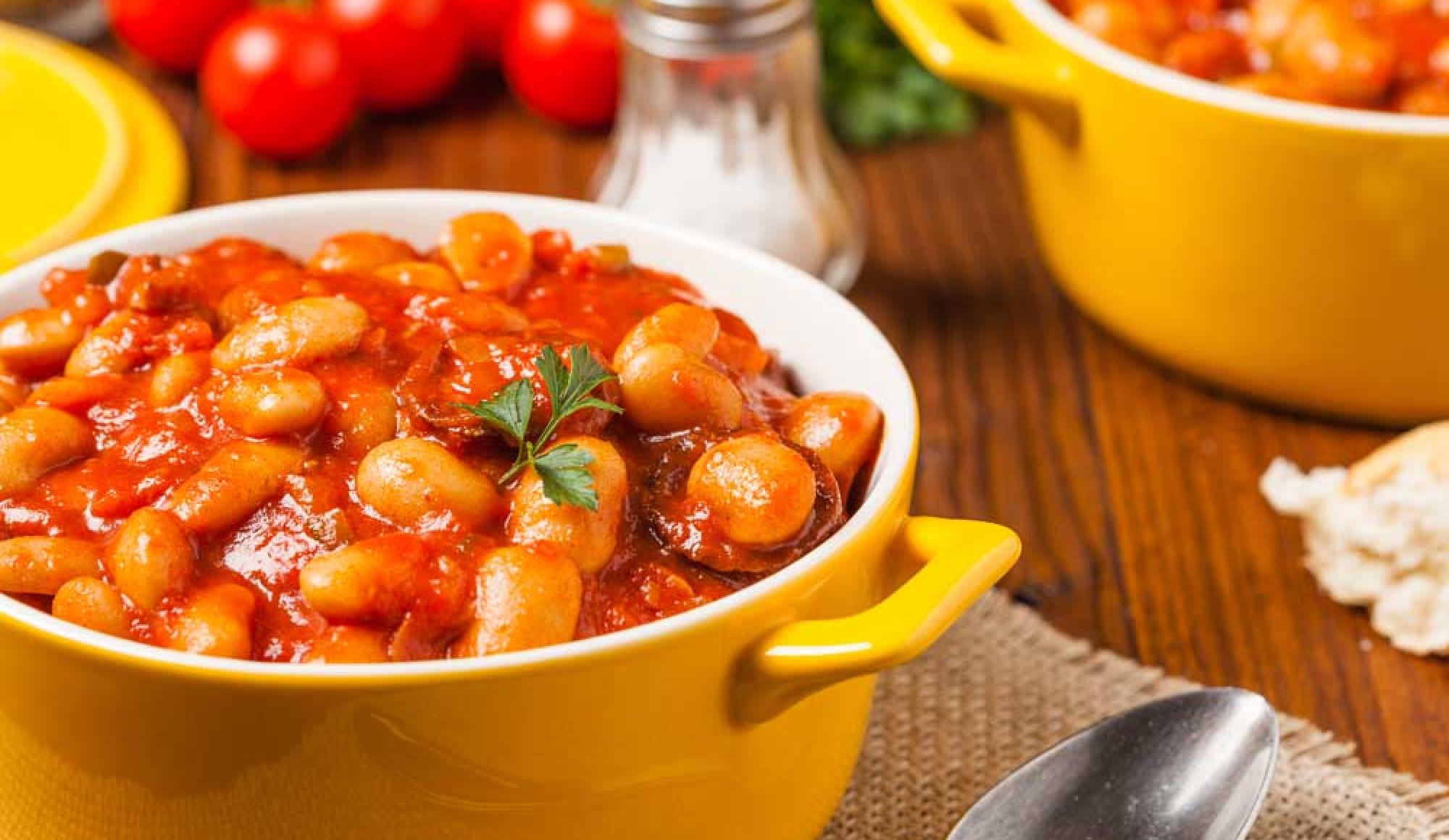
After a day like this, dinner is a lighter meal. It often consists of leftovers from lunch or a soup. Loubia, a white bean soup with meat and tomato sauce, is a typical Moroccan evening dish. It's also ideal for regaining strength after a hike in the Atlas mountains.
Dishes in Morocco are accompanied by mint tea and bread. You'll be brought batbout, a round, soft bread roll, a mahrarch, a hard-crusted galette or a slice of khobz, a wheat semolina loaf. When mint tea is served as a dessert or in between meals, it comes with cornes de gazelle. This Moroccan cake is made of almond paste coated with shortbread dough and flavored with orange blossom. In Rabat, the pastry is replaced by powdered sugar.
Celebration dishes
Private events, such as weddings and births, or religious holidays, such as Eid-El-Kebir are an opportunity to get together and feast on dishes that are out of the ordinary.
The Eid-El-Kebir, one of the most important Muslim celebrations, celebrates the faith of Ibrahim. When he was ready to sacrifice his son to fulfill the divine command, the Angel Gabriel intervened to substitute a sheep for the child. Traditionally, lamb or mutton is eaten on this day. It can be prepared in a sweet Moroccan tagine, Mrouzia or served as a mechoui. The whole animal is cooked on a spit or braised in an earthen oven. If you're invited to a mechoui and served first, congratulations, you are a distinguished guest!
During receptions, for weddings or engagements in particular, women make pastillas. This specialty from Fez is a brick sheet cake filled and sprinkled with powdered sugar and cinnamon. The sweet version is topped with cream, almond or sesame seeds. But it's the savoury versions that are the most popular. Usually filled with pigeon stuffing, the Moroccan pastilla is available with a chicken, fish or seafood filling.
While at home a festive meal is synonymous with champagne, this is not the case in Morocco, a Muslim country. Instead, you're offered soft drinks such as mint tea, sodas, still water, sparkling water and fruit or vegetable juices. If your host is not a practising Muslim or you are dining in a restaurant, you can order wine or beer. Take the opportunity to discover the local products. Moroccan vintages have their enthusiasts. Casablanca, a blonde lager, even won a silver medal at the International Beer Challenge!
Dishes for Ramadan
The month of Ramadan, known as the blessed or holy month, is a highlight in the lives of Moroccans. For 29 or 30 days, Muslims fast from sunrise to sunset. During this period, believers are encouraged to focus on their faith and perform good deeds.
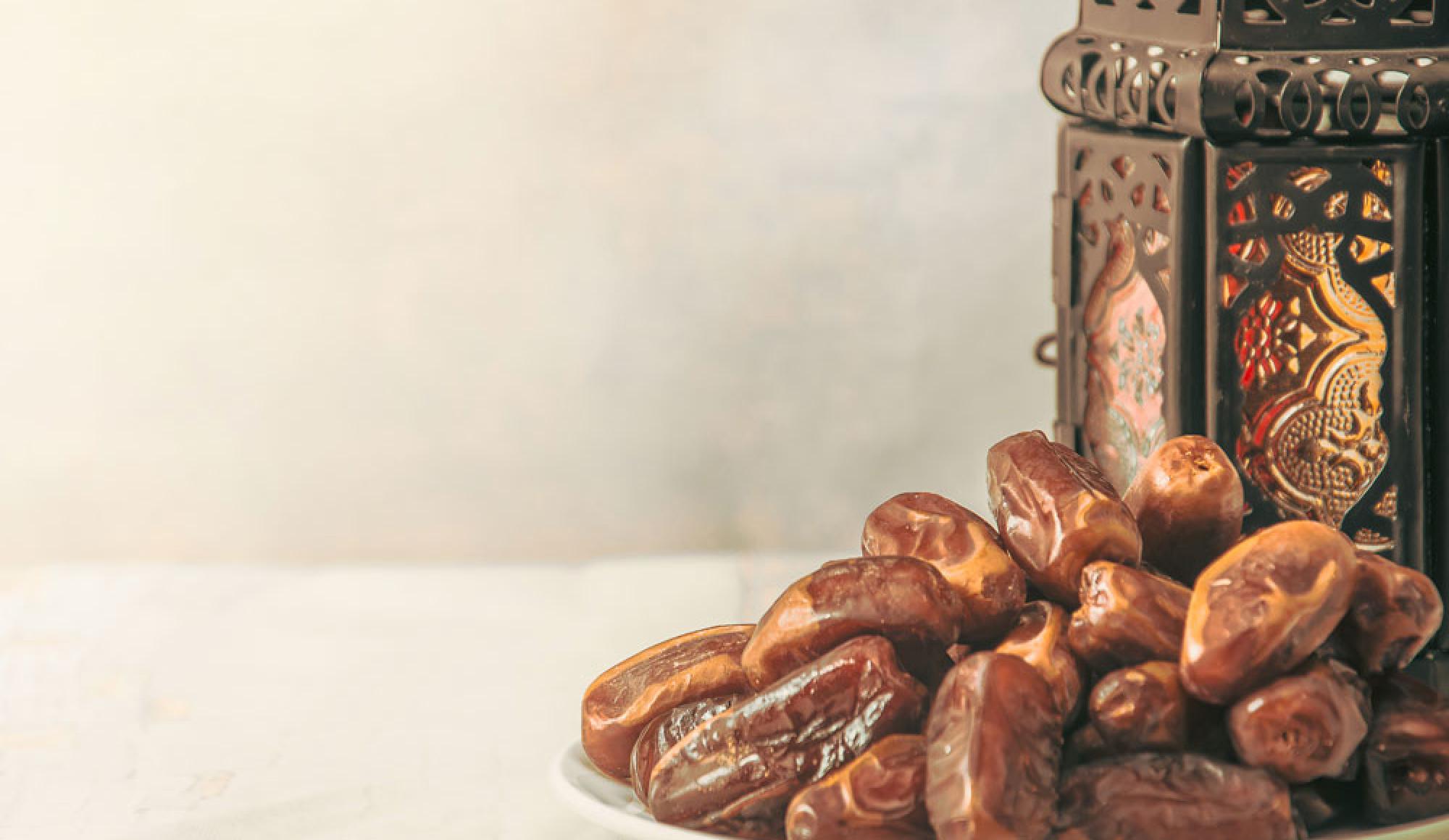
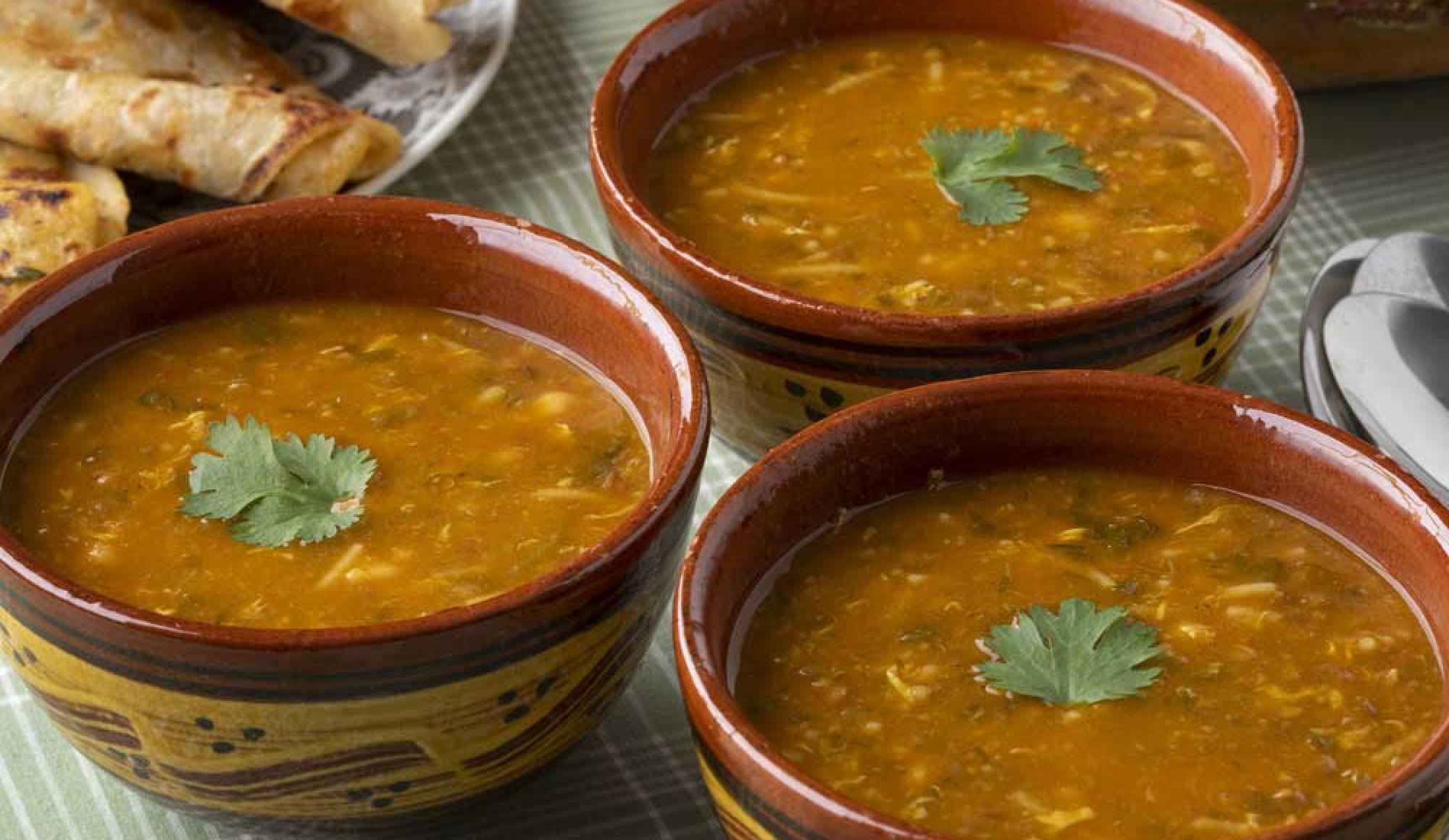
The breaking of the fast (Ftour) is traditionally done by drinking a glass of milk and eating a few dates. But above all it's an opportunity to get together with family and friends. People share harira, a soup of Andalusian origin made from meat, lentils, tomatoes and onions. It is served hot, with hard-boiled eggs.
Another Moroccan soup whose aroma signals the breaking of the fast: chorba. Offered to the poor and served to the faithful after prayer, it is prepared with mutton, vegetables and vermicelli.
Fasting is practiced to experience the hunger felt by the poorest in society. Ramadan meals are therefore, in theory, less copious than those eaten at parties or on a daily basis. But they always end with sweets. One dessert on the table is briwate. This triangular or cylindrical pastry is filled with almonds and flavored with cinnamon and orange blossom. Next to it is chebakia (or M'kharqa in Rabat, griwech in Fès or el qli in Salé). Behind these different names lies a rolled pastry whose dough, fried in vegetable oil, is coated with honey and topped with sesame seeds.
You don't need to be invited into a local's home to sample the cakes and dishes typical of Morocco during the holy month. Ramadan dishes are available all year round on restaurant menus and market stalls.
Ready for a taste of Moroccan cuisine? With La Méridionale, your culinary journey begins as soon as you board. On board our ships, our chef uses fresh products to prepare dishes inspired by the most famous Mediterranean recipes.
Invitations to travel
- Locations
Moroccan desert and southern valleys
- Locations
Marrakech in december
- Discovery
Fancy visiting Morocco: follow the guide
Our destinations
Ajaccio
Porto-Vecchio
Tangier
Marseille

Stay in touch
Subscribe to our newsletter
You'll be the first to keep up with our latest mediterranean news and exclusive offers