Discovery
Discovering Morocco means exploring its history. Its cities have made its history: any time a new dynasty come to power, it founded a city where to set up its headquarters. And this is hows Morocco's imperial cities of Fez, Marrakech, Meknes and Rabat were created.
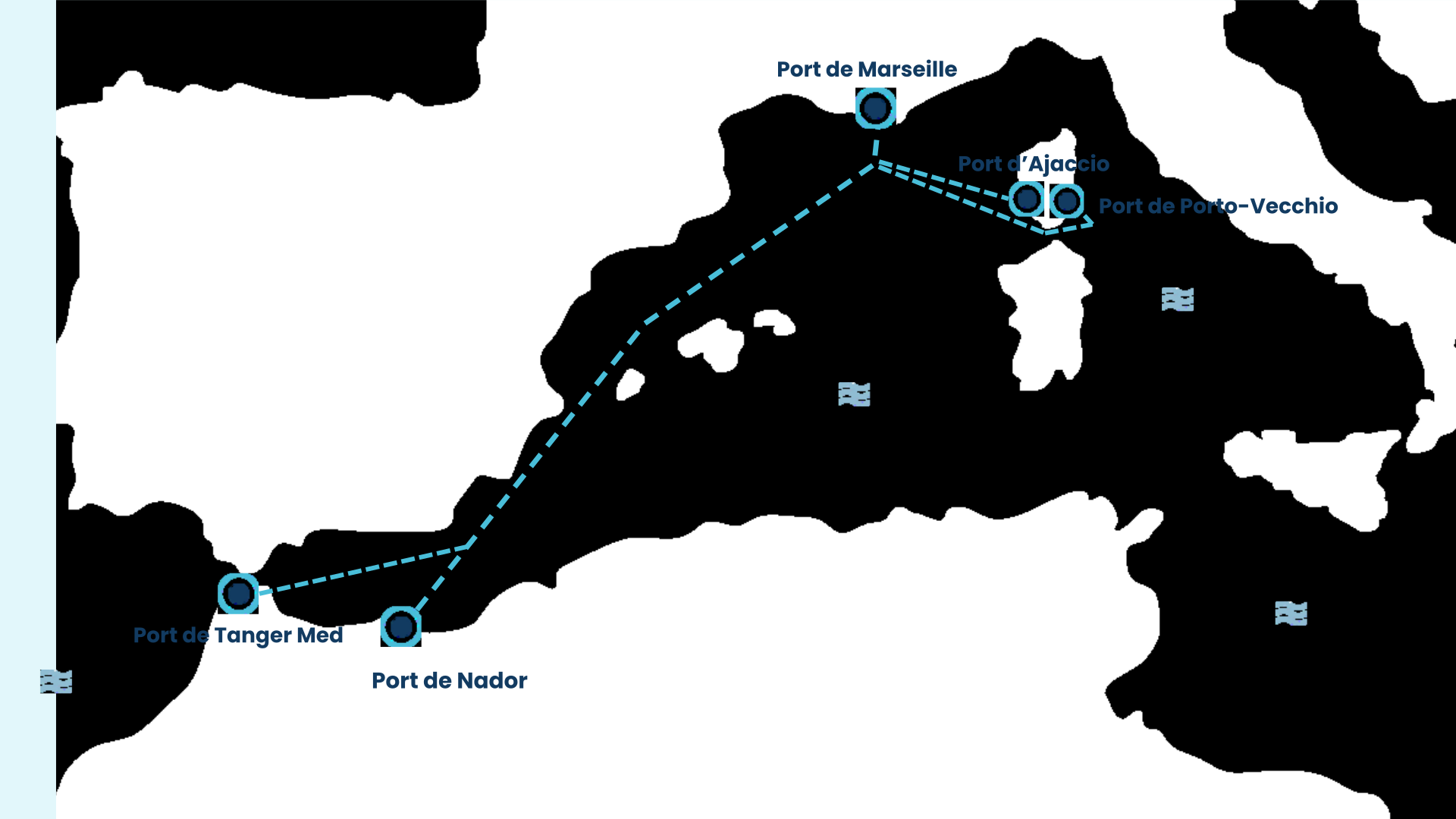
La Méridionale takes you on an encounter with this thousand-year-old cultural heritage thanks to its three weekly Marseille-Tangier crossings. Board with your car, motorbike or your campervan on one of our boats to Morocco. As soon as you arrive in Tangier, you'll be free to explore Morocco and organize your own tour of Morocco's imperial cities.
Fez, "Queen of the Maghreb" and imperial city
Fez is the first of Morocco's four imperial cities. It was created in 789 by Sultan Idriss 1er, also known as Moulay Idriss. He is also credited with founding the kingdom. When he died, his son continued developing Fez, but chose to build on the other bank of the wadi. Fez, imperial city, reigned over the country until 1069. It was in this year that its two parts were united.
As well as being Morocco's oldest medina, the medina of Fès is also the largest.
its 1,100 or so alleyways have been classified a UNESCO World Heritage Site. A trip to the heart of Morocco's imperial cities obviously includes palaces. There's no shortage of these in Fez: Palais Glaoui, Palais Mnebhi, Palais Royal to know but three... While not all are open to the public, you'll still be able to catch a glimpse of their decorated facades.
Morocco's oldest imperial city grew by welcoming Muslims driven out of Cordoba, Tunisians expelled from Kairouan and Jews in exile. Their know-how and their culture continue to characterize this metropolis of a million inhabitants. You just need to wander through the Carpenters' souk, in the Nejjarine complex to notice this. Here, craftspeople sculpt wood and a museum is devoted to their trade.of a million inhabitants. A visit to the Carpenters' Souk in the Nejjarine complex is all it takes. Craftsmen carve wood here, and a museum is dedicated to their activity.
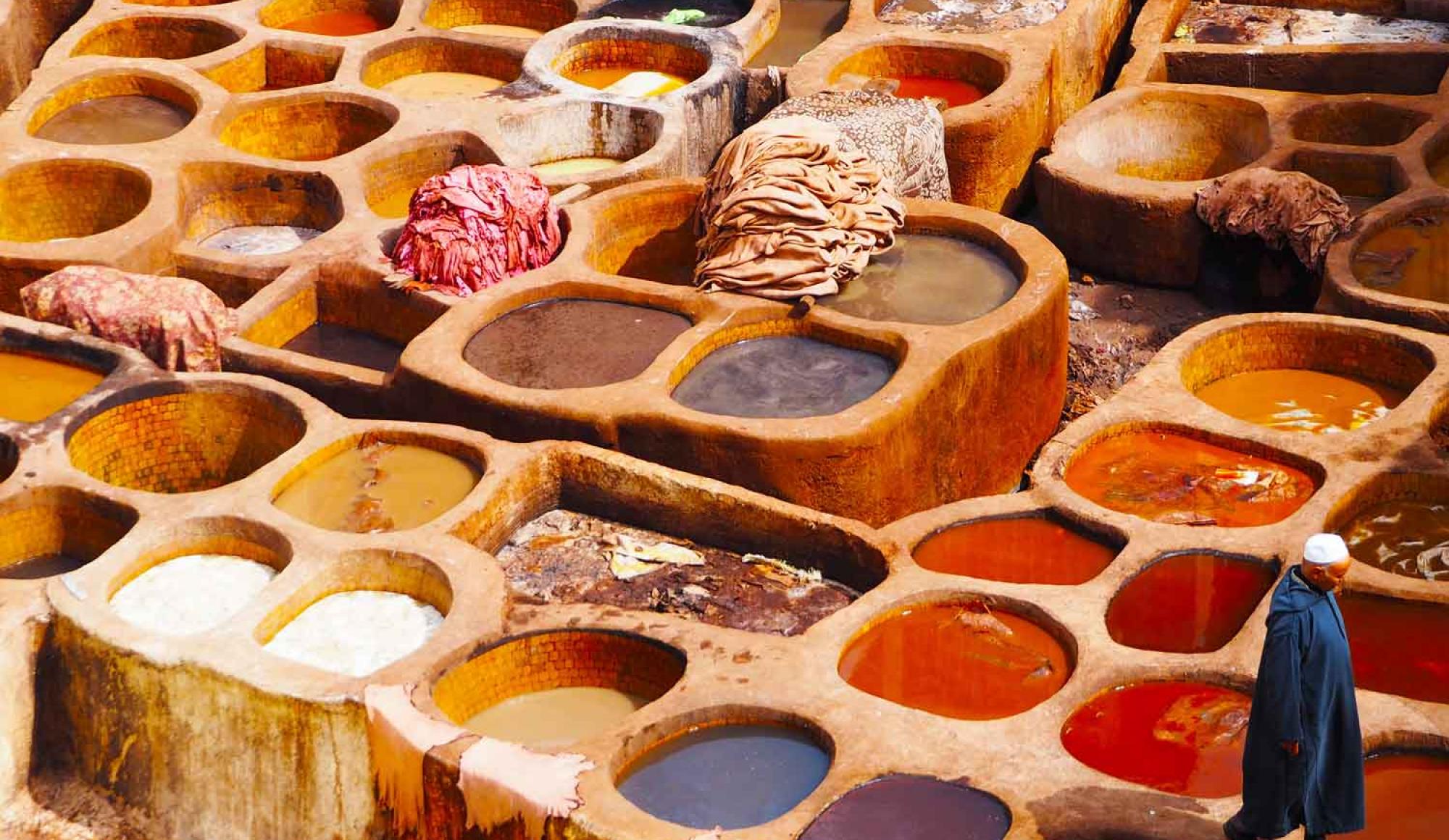
If you have a strong heart, venture into the tanners' district. Here, leather is worked in the middle of the river and lime vats. But beware, the smell can be overwhelming! To catch your breath, stop off at Jnan Sbil Park and smell the fragrance of 3,000 different species organized in themed gardens.
Marrakech , "the ochre city" and imperial city
Marrakech replaced Fez as capital under the sovereignty of Almoravid sultan Youssef Ibn Tachfin in 1062. The city of the 7 Saints was the seat of the Almoravid, Almohad and Saadian dynasties.
Its glorious past can be admired by entering the El Badi also known as Bahia palace where history takes on its full meaning in front of the Saadian tombs. Here lie the princes who ruled the ochre city for over a century.
Whenever you wonder what you should visit in Morocco, Marrakech, the ultimate in imperial cities, is often the first answer that pops into your head. Renowned for its heritage and nightlife, the jewel of the kingdom is a must-see. The immersion begins Place Jemaa El-Fna. In the heart of the medina, onlookers, storytellers and snake charmers mingle with stalls and cafés. Meanwhile, in the shadow of the Koutoubia minaret, merchants and shoppers negotiate bargains at the souk.
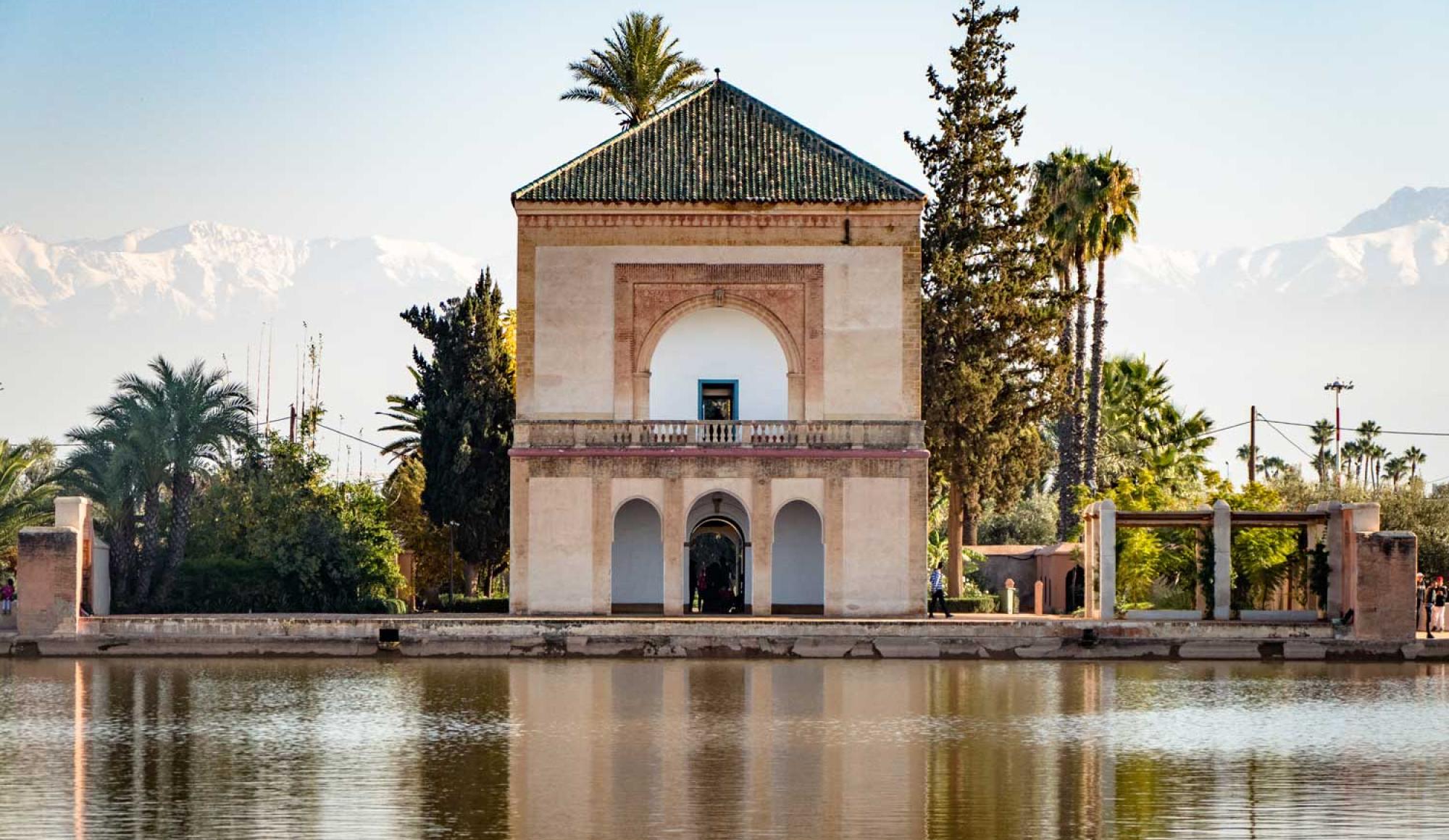
But Marrakech is also a modern metropolis, as portrayed by the western quarter of Guéliz. This is where you'll find the photogenic blue of the jardin Majorelle or the museums dedicated to fashion designer Yves Saint-Laurent and contemporary African art.
Meknes , "the city of olive trees" and imperial city
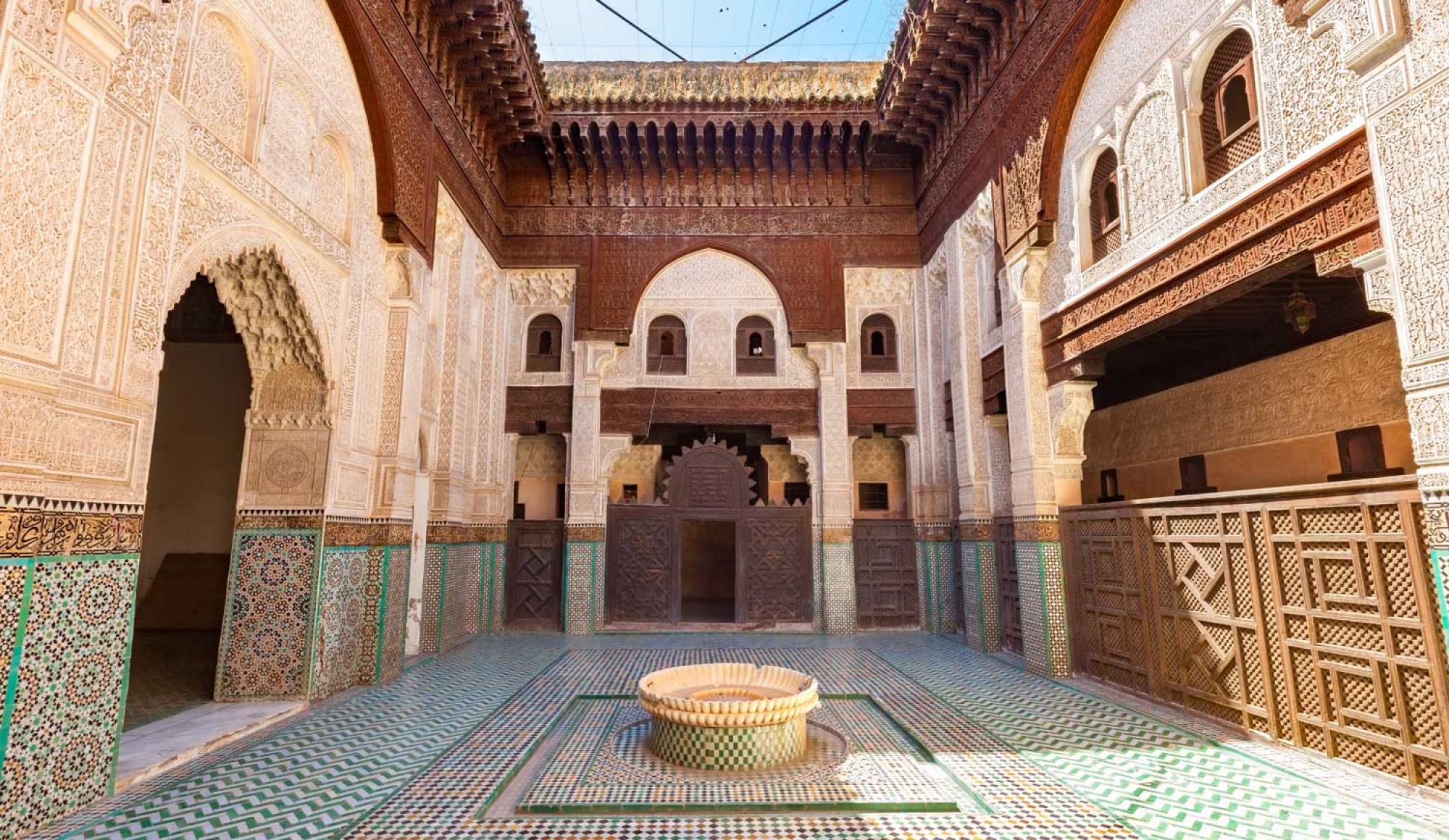
Founded in the Middle Ages, Meknes saw its destiny change when the Alaouite sultan Moulay Ismaël decided to make it the capital of the country in 1672. The sovereign, an admirer of Louis XIV and whom some do not hesitate to describe as a megalomaniac, undertook to transform the city into a Moroccan Versailles.
Unfortunately, the invasions and earthquake of 1755 left few traces of this splendor.
The royal palace is now in ruins. Only the gigantic stables can still be visited. Legend has it that the monarch once housed 12,000 horses here.
The monarch's final resting place is also open to the public, including non-Muslims. While they can't enter the burial chamber where Moulay Ismaël, his wife and their sons are laid to rest, they can nevertheless contemplate the mausoleum's antechamber, that has retained all its splendor.
Named the city of 100 minarets, Meknes could be the city of 100 gates. Bab Mansour el-Aleuj, considered by many to be the most beautiful in the whole kingdom, Bab Berdaine, its two towers and its twin Bab el-Khémis reveal the power of another era.
Neglected when the sultan dies in 1727, Meknes experienced a new lease of life at the beginning of the 20th century.
Under the French protectorate, the Ismaili capital became one of the most important garrisons. Witness to this period, the Meknes stud farm and racecourse are now home to 270 animals. Curious visitors come to watch the stallions and ride their horses.
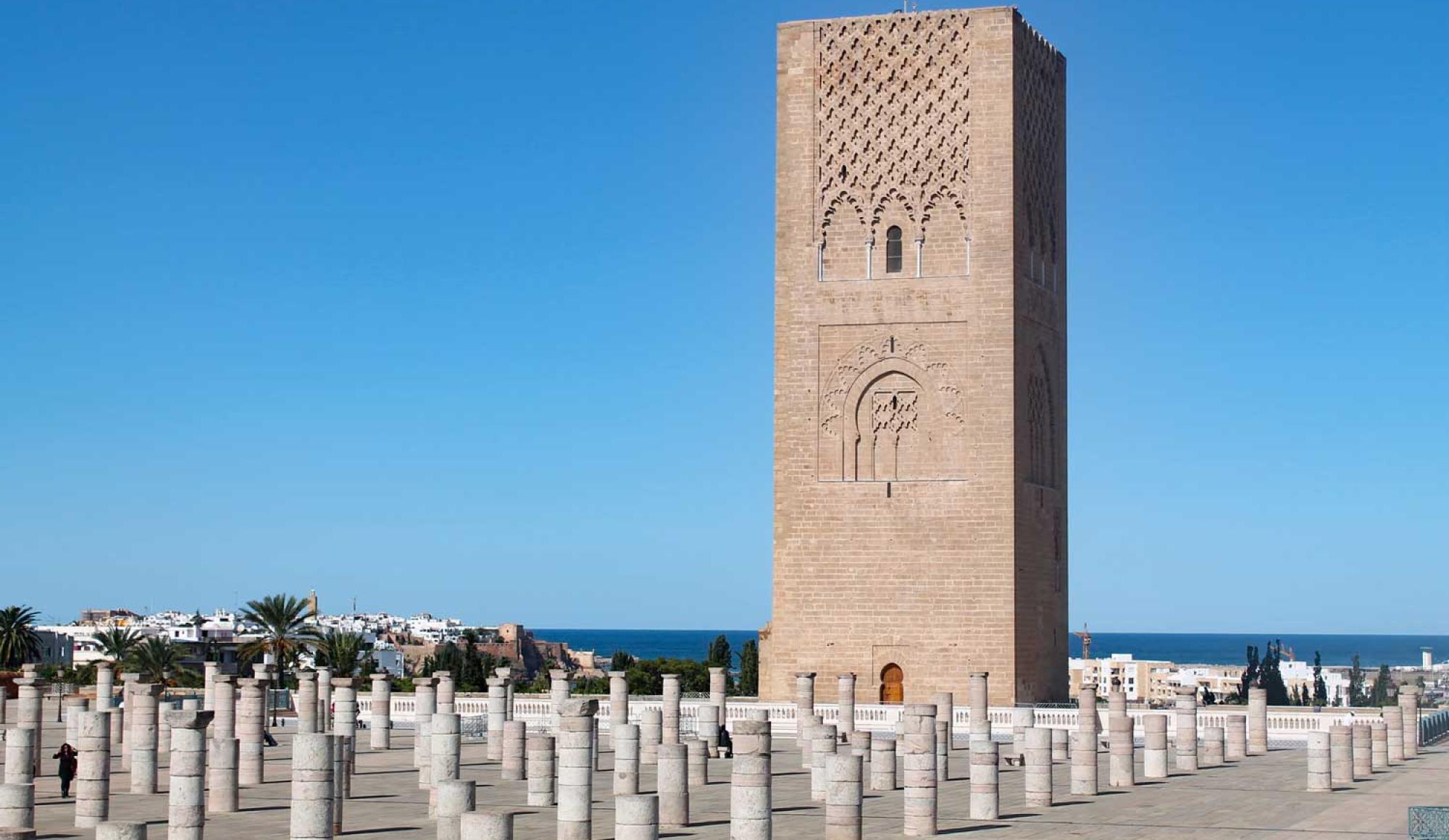
Rabat, "the victory camp" and imperial city
The final stop on your tour of imperial cities in Morocco is Rabat. Inhabited since prehistoric times, it had to wait until the 20th century to become the capital.
The journey back in time begins in Sala, two kilometers from the city center. Behind the enclosure of the Chellah necropolis, amid flowers and storks, you see the ruins of Roman baths, mausoleums and minarets.
Then head for the kasbah. Past the 12th-century Oudaya gate, bougainvillea and white-and-blue facades guide you to the Semaphore platform. After enjoying the view of the Atlantic Ocean, stroll through the Andalou garden to reach the National Jewellery Museum.
Have the treasures on display made you want to adorn yourself in gold? Go to Rue des Consuls. In the European-style mansions, you'll find jewelers, antique dealers and even furniture or fabric shops. The architecture of the rest of the medina is much more typical of Morocco and imperial cities.
Rabat is the current imperial city. This is where Mohammed VI lives. While it's not possible to enter his palace, you can still take a look at its facade. While you're in the new town, also take the opportunity to visit the Museum of History and Civilizations or the Mohammed VI Museum of Modern and Cotemporary Art. The first museum displays archaeological treasures dating from the Neolithic to the present day. The second one, stages the country's painters, graffiti artists, photographers and sculptors.
Stay in touch
Subscribe to our newsletter
You'll be the first to keep up with our latest mediterranean news and exclusive offers
Head off and visit Morocco's imperial cities with La Méridionale. Aboard our ferry to Morocco, you'll find all the services you need during your Marselle-Tangier ferry crossing. Our cabins are equiped with private bathrooms and we offer on board a tasty catering based on fresh products including halal certified dishes.
Invitations to travel
- Locations
Moroccan desert and southern valleys
- Locations
Marrakech in december
- Discovery
Fancy visiting Morocco: follow the guide
Our destinations
Ajaccio
Porto-Vecchio
Tangier
Marseille