Want to bring home a unique memory from your holiday on the Island of Beauty?
Treat yourself to an unforgettable experience. Whether on land or at sea, alone or with family, Corsica offers no shortage of activities to make every moment memorable.
Scuba diving in Corsica
There are dozens of diving schools in Corsica. Their instructors will guide you for a first dive or a trip to a depth of over 20 meters. Once you’re suited up with your tank and wetsuit, let yourself be led into the underwater world where slipper lobsters, groupers, and diadem sea urchins await. If luck is on your side, you might even spot dolphins or whales! To ensure everyone, locals and visitors alike, can enjoy the island’s stunning underwater landscapes, La Méridionale supports the work of the Mare Vivu association. We’re also committed to innovation, both on board and ashore, to reduce the environmental impact of our crossings.
The Bay of Sagone
The seabed is home to more than just gorgonians and rays. The Gulf of Sagone is home to the wreck of a canadair aircraft. Both crew members escaped unharmed from the aircraft when it crashed in 1971.
As for the bomber, it's still lying at a depth of almost 30 metres. Are you a beginner and not diving that deep yet? You can still enjoy a close-up encounter with flabellines. These funny little purple, pink or blue molluscs live at a depth of just five meters.
The Scandola nature reserve
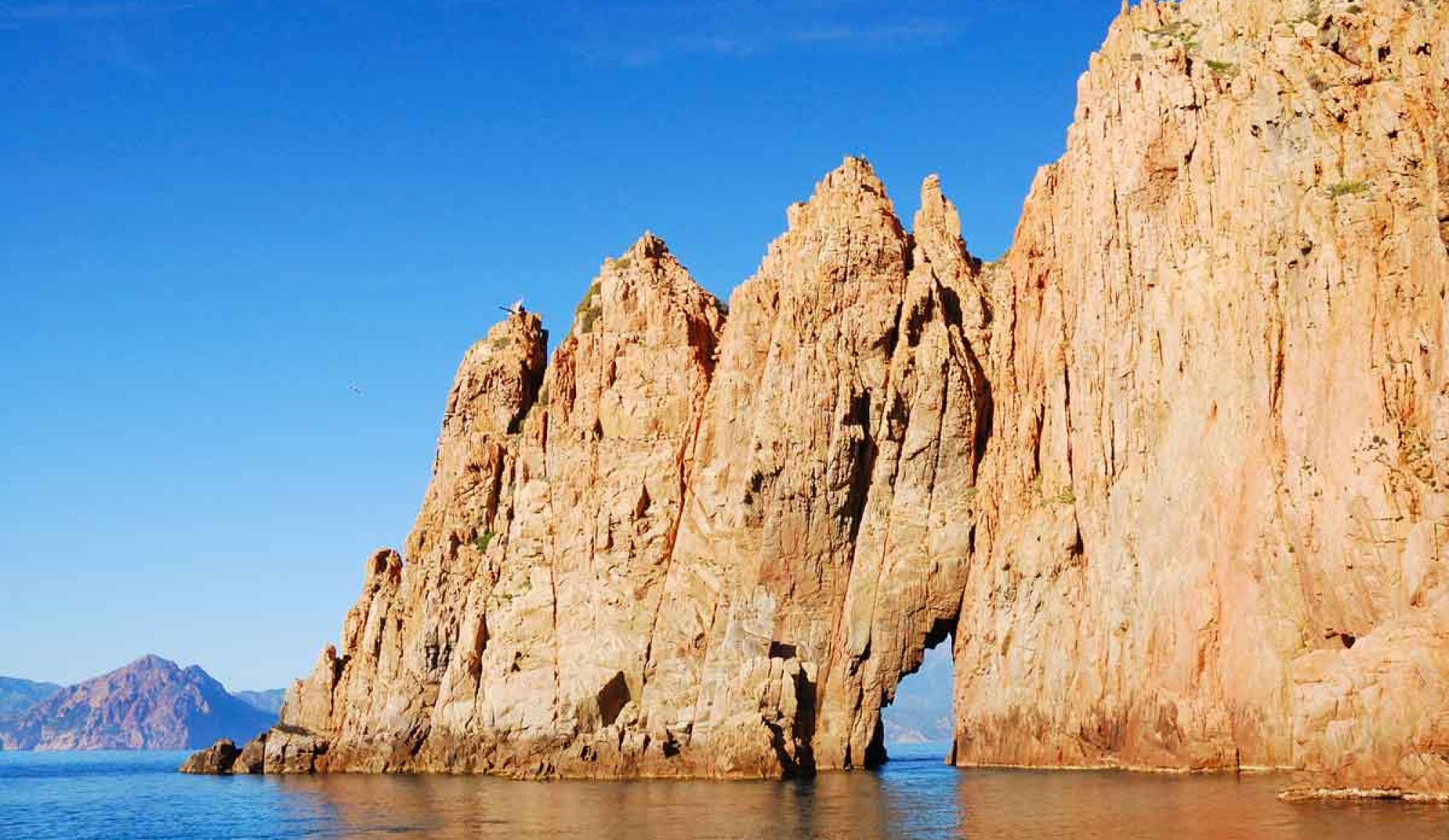
To preserve the flora and fauna, only a handful of scientists and journalists are allowed to dive in the Scandola nature reserve. However, you can still explore the surrounding areas. You'll discover colonies of red coral, shoals of crayfish and swim through posidonia seagrass. These true underwater prairies grow only in clean, unpolluted waters.
Even if you don't enter the perimeter of the reserve, be mindful of the delicate balance of the ecosystem. Don't pick posidonia or coral. Instead, take along a waterproof camera to immortalize your dive in Corsica!
The Bay of Ajaccio
To dive in Corsica without going far from Ajaccio, simply go to the Sette Nave, the Sanguinaires Islands or Capannina. You’ll likely encounter bluefin tuna, barracudas, and octopuses, but the bay also offers something equally spectacular: rocky formations and underwater caves that create a dramatic seascape.
In the gulf, at a depth of 35 meters, lies the Alcione, an Italian oil tanker sunk by the British in 1943. Although the crew made it to shore, the cargo ship never left the sea. To the delight of groupers, moray eels and divers.
The bay of Propriano
Another great diving spot in Southern Corsica: the bay of Propriano. The dive sites in the Gulf of Valinco combine rugged rock walls, colorful fish and multicolored vegetation. For example, at Les Cathédrales, dentex and damselffish can be seen resting along the drop-offs.
Level 2 divers can descend to the Jardin and Vallée des Mérous. The site is exposed to currents, but, you'll be able to discover a branch of black coral growing among the rocks.
Snorkeling in Corsica
You don't need tanks and a regulator to explore the seabed and enjoy everything Corsica has to offer. Just beneath the surface, fish, mollusks and crustaceans abound. All you need is a mask and a snorkel to observe them up close.
Several organizations and water sports centers offer guided educational snorkeling tours, but you can also discover the underwater world entirely on your own.
The Bouches de Bonifacio
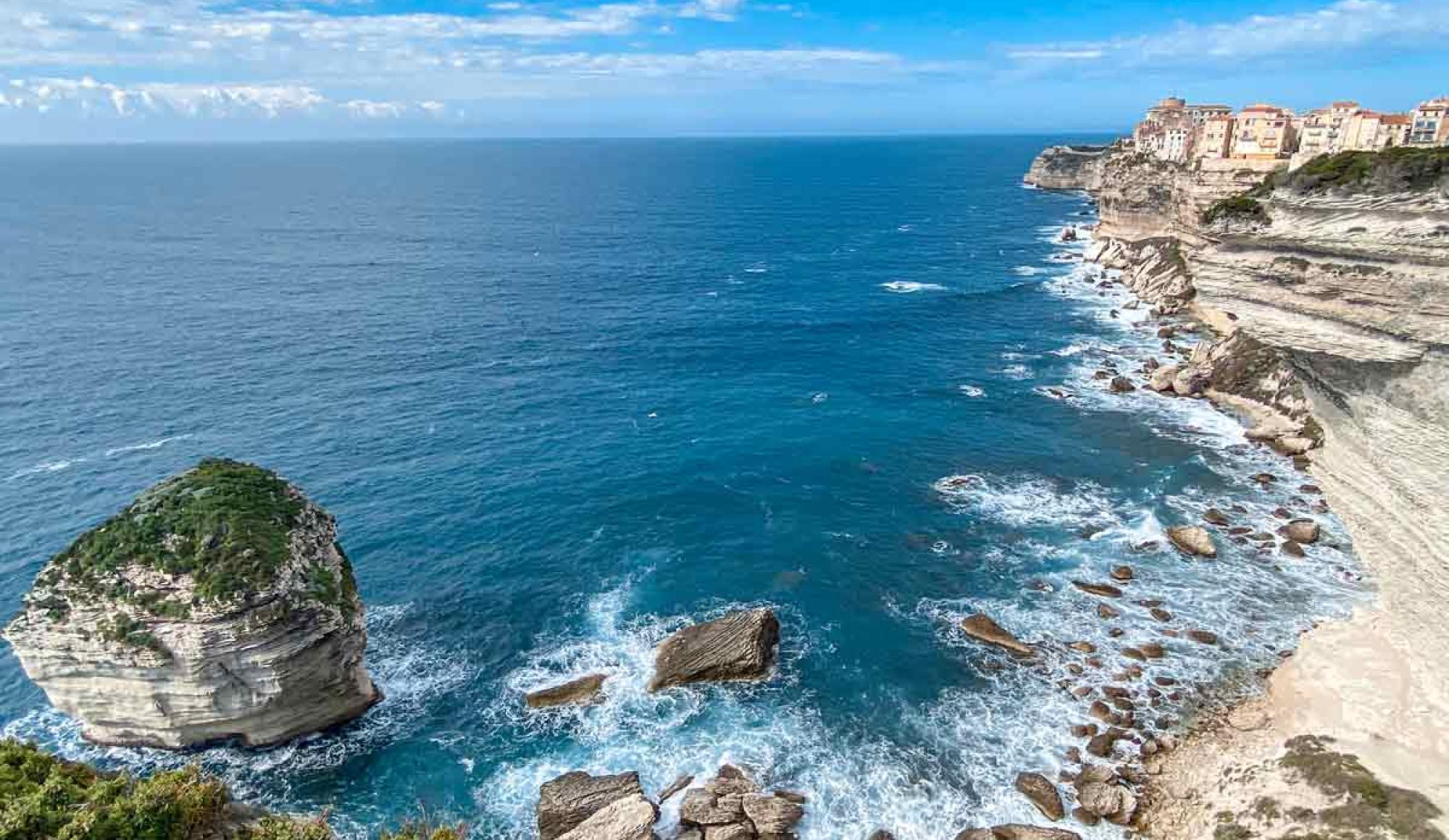
Located between the Island of Beauty and Sardinia, the Bouches de Bonifacio is the largest nature reserve in mainland France. It's also one of the best snorkeling spots in Southern Corsica.
Here, flora and fauna are preserved. It's common to come across sea fans, giant limpets and noble pen shells amidst the rocky walls. On some days, you can even catch a glimpse of dolphins!
The Lavezzi Islands
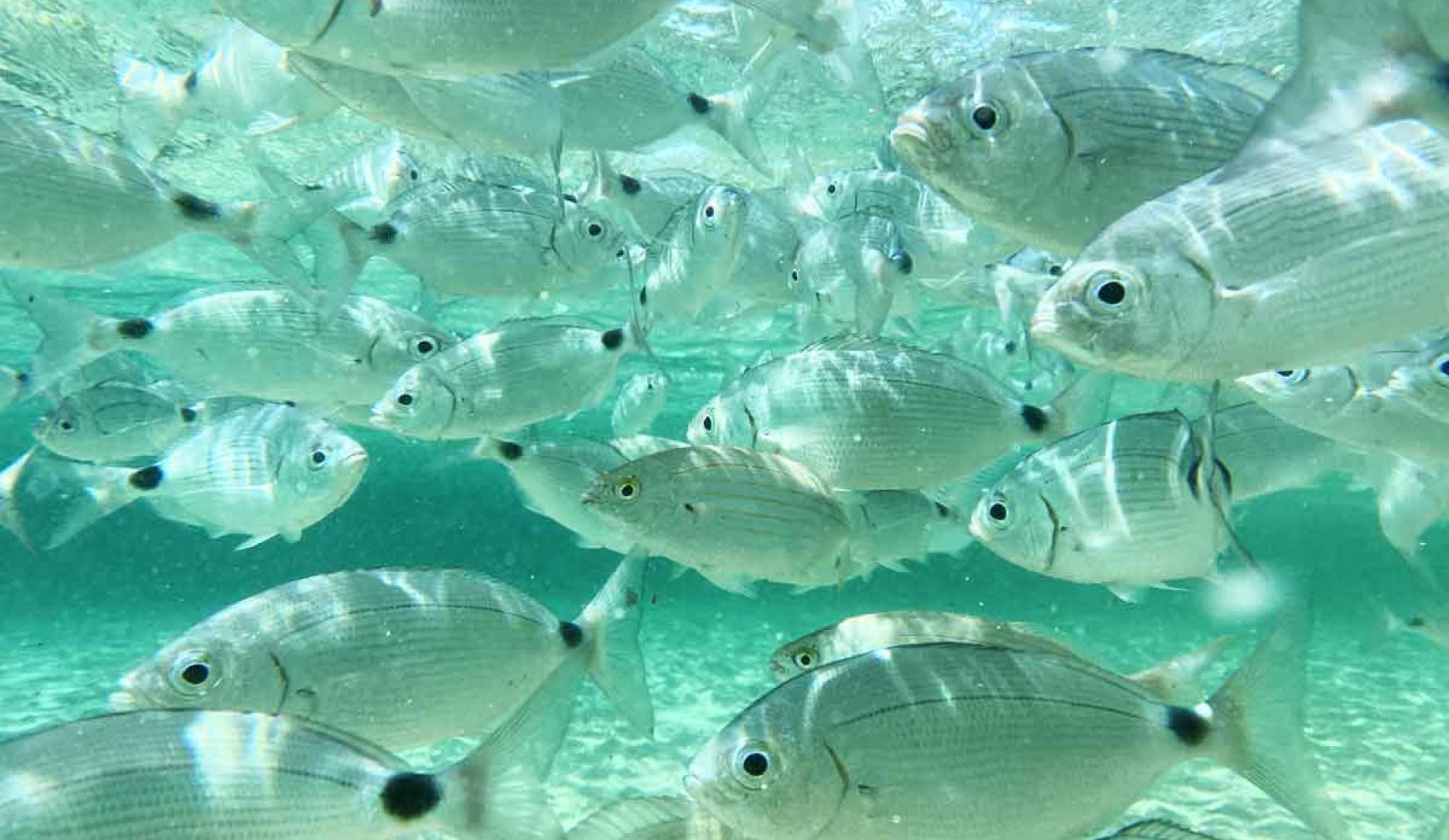
Integrated into the Bouches de Bonifacio reserve, the Lavezzi Islands can be explored on land and underwater. The advantage of snorkelling? You're never really alone. At the beach of Cala Achiarina, on the western side of the archipelago, the fish are not shy. Seabream and saddled bream join you for a swim in the natural pools.
You can also dive at Cala di u Grecu. This rocky bay holds many surprises. Turquoise seabreams hide in the seaweed, alongside red starfish and silver-striped blennies.
The Gulf of Porto
The Gulf of Porto is a Unesco World Heritage site. Its deep blue water is one of the must-see spots for snorkeling in Corsica.
You have several options for getting in the water. A snorkeling tour from Arone Beach will allow you to admire coral and colorful fish.
If the wind picks up, opt for the Ficaghjola cove instead. This bay in the heart of the Calanques de Piana is populated by octopus, garfish and sea anemones.
Centuri in Cap Corse
In Centuri, a charming fishing village in the far north of the Isle of Beauty, the Mediterranean is almost always calm. After a few strokes of the fins, you'll begin to see rocky seabeds covered in seaweed.
After a few minutes, the first comber, salema and wrasse appear. Patient divers may come across a small moray eel or starfish. Some swimmers even claim to have encountered seahorses!
Surfing in Corsica
Wondering what to do in Corsica for an unforgettable holiday? Try surfing! The Isle of Beauty offers waves several meters high. Between November and March, when the wind is blowing, they can even reach five meters.
The advantage of surfing on an island is that there's always a coastline exposed to the swell.
It's on the west coast that you're most likely to come across big waves in the summer. In winter, Corsica's best surf spots are hidden up north, near Saint-Florent.
Seasoned athletes aren't the only ones who can surf in Corsica. Many beaches are perfect for beginners, and local surf schools offer lessons and introductions for all levels.
Capo di Feno
Capo di Feno, in the Gulf of Ajaccio, has been nicknamed "the Avalanche" by Corsican surfers. In winter, the swell from the west forms hollow waves three meters high. In heavy weather, they can exceed five meters. If you're brave enough to slip into your wetsuit, the waves are all yours. Indeed, very few riders take the plunge when the water is 12°.
It gets a little busier between April and October, when the surf school opens. But it's a far cry from the crowds on the Basque coast, and you'll have plenty of space to learn or improve.
Calcatoggio
When the weather's right, experienced surfers gather at Calcatoggio, located between Ajaccio and Cargèse. The wind, deep waters and sandy beaches make Orcino and Stagnone popular spots for thrill-seekers.
Algajola
If you like big, unpredictable waves, head to Algajola, in Balagne. You can't surf every day on the beach at Aregno. But in winter and autumn, when the wind comes from the east or southeast and the swell arrives from the west, waves of over two meters appear. They shift with the wind and the sandy seabed's movements.
Here too, you'll find yourself almost alone facing the sea. Even when conditions are perfect, it's rare for the place to be crowded.
Pinarellu
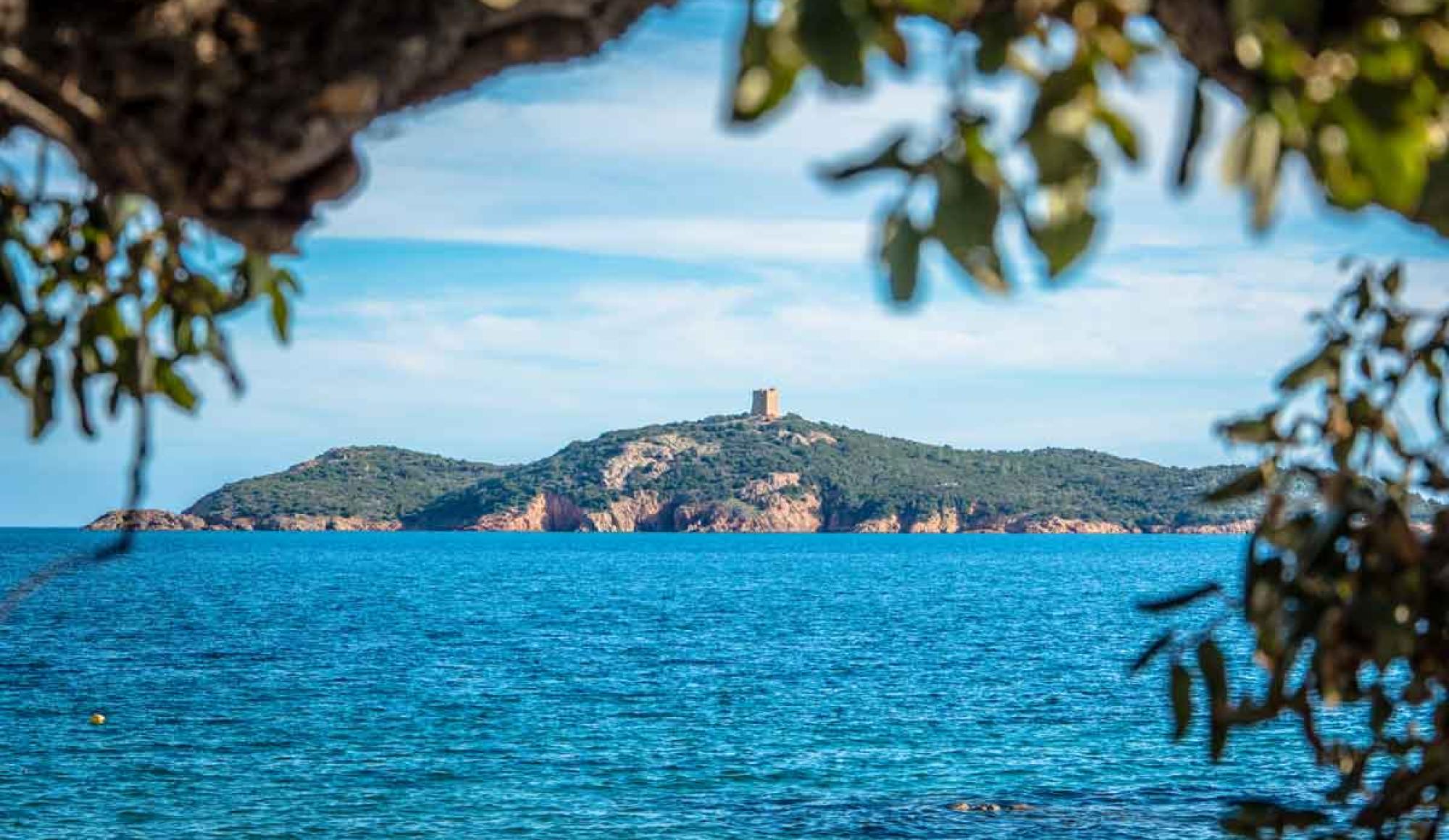
Surfers are more numerous at Pinarellu. This spot located north of Porto-Vecchio promises some of the island's finest waves. But you'll have to be patient to surf this hollow left that breaks around a sandy reef.
It doesn't form every day. It's between November and March that you'll have the best chance to catch it.
Windsurfing in Corsica
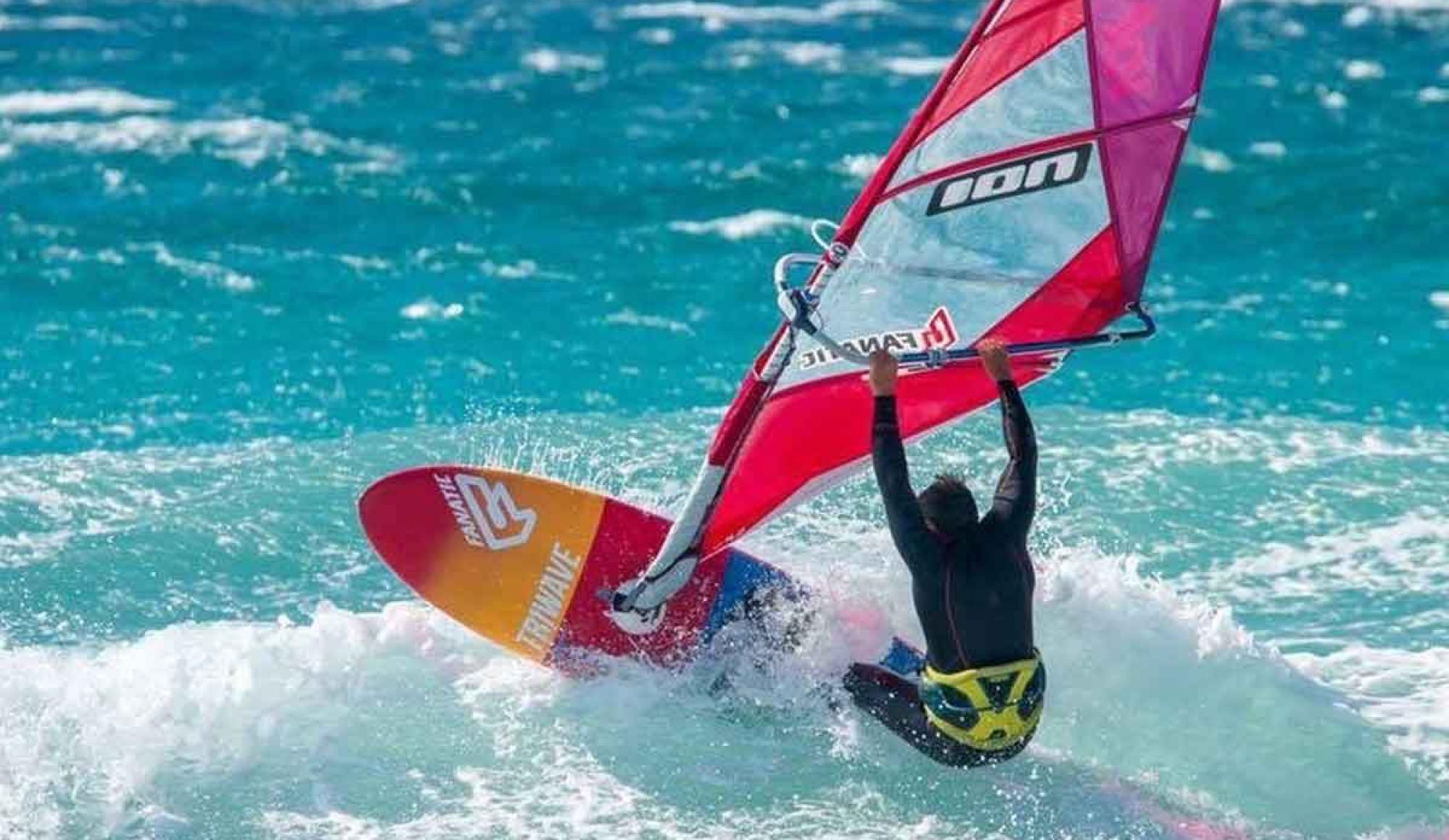
Surfers aren't the only ones chasing the perfect wave. Windsurfers also find their bliss in Corsica. Pascal Joly, former chief-of-arms at La Méridionale and former professional windsurfer, knows the island’s top wind and wave spots inside out. During his time at sea, he explored them all and now shares his favorite places to enjoy watersports on the Island of Beauty.
When is the best time to go windsurfing in Corsica?
You can windsurf in Corsica all year round. But the best time is spring and summer. Conditions are exceptional in winter, but the sea is cold. In Corsica, from May to October, the water is warm and you also get to enjoy everything else Corsica has to offer, like shops, cafés and restaurants.
What are your favorite windsurfing spots in Corsica?
You can windsurf just about anywhere on the island, but my favorite spots are in the south, around Bonifacio.
Punta is a pretty intense spot. The waves are powerful and there's a good reef. This is also the case on La Tonnara beach.
If you want to enjoy watersports with your family, I recommend Porticcio, in the Bay of Ajaccio. It's a safe, sandy spot, just right for kids. There's windsurfing, kayaking, diving and all sorts of activities.
In northern Corsica, you need to go south to Île Rousse, to Algajola or Ghjunchitu. Ghjunchitu beach is, in my opinion, one of the most beautiful for windsurfing and windriding.
What advice would you give to those wanting to try windsurfing during their holidays in Corsica?
The sensations involved in board sports are very strong and exhilarating. You forget everything and completely clear your head. When kitesurfing, you feel like you're flying. Windsurfing makes you feel light. You feel like you're gliding on air.
But you have to persevere a little before you feel all that. The first half-hour is often decisive: you either get the hang of it or you don't. To give yourself the best chance and not get discouraged, get help from local surf schools or specialized shops. You'll be able to rent equipment and get advice. And don't hesitate to take a lesson, even for an hour, it can make all the difference.
Sailing around Corsica
Do you dream of falling asleep lulled by the sound of the waves and waking up every morning facing the big blue? Then forget hotels, campsites and your car and embark on a tour of Corsica by boat.
You don't need a boating license to enjoy a sailing trip around the Isle of Beauty. Specialized companies organize tours of Corsica by sailboat with a skipper or on a catamaran with a full crew. As well as showing you the region's emblematic sites, they'll look after your well-being and safety on board. They'll also give you recommendations on what's possible to do in Corsica once you're on land.
If, on the other hand, terms like "tiller", "rudder", or "halyard" are already part of your vocabulary, you can plan your own tour of Corsica by sailboat. You'll then be able to sail at your own pace and choose your ports of call.
Seven must-see stops for a sailing tour of Corsica
Ajaccio is a must for a Corsica sailing tour. After dropping anchor, follow in Napoleon's footsteps. Visit his birthplace and the cave that bears his name. Dropping anchor in the imperial city will allow you to hike to the Grand Site de la Parata. You'll also be able to access the reserve naturelle de Scandola and the Sanguinaires Islands.
Situated in the Gulf of Valinco, Propriano is renowned for its beaches, Genoese tower and hiking trails. It's also close to the mountains and villages such as Sartène and Vigianello.
Bonifacio, at the southern tip of the island, is well worth spending at least a few days in. The town is the gateway to the Lavezzi Islands and the Bouches de Bonifacio reserve. But it also conceals a few curiosities, such as its citadel and the King of Aragon's staircase.
With their white sand and translucent waters, Porto-Vecchio's beaches are among the most beautiful in Corsica and France. What's more, the city of salt is less than three miles from the Cerbicale Islands. Get up close to this nature reserve to observe gulls, shearwaters and cormorants.
Then head for Bastia and Cap-Corse. Linger in the prefecture of Haute-Corse before heading off to Rogliano, Pino and Saint-Florent. Between Baroque churches, local gastronomy and colorful facades, the town has plenty to surprise you.
Your tour of the Island of Beauty wouldn't be complete without a stop in Calvi, the most Genoese of Corsican cities. In summer, the capital of Balagne is alive with festivals. Off-season, enjoy the fine sandy beach, citadel and diving spots with the locals.
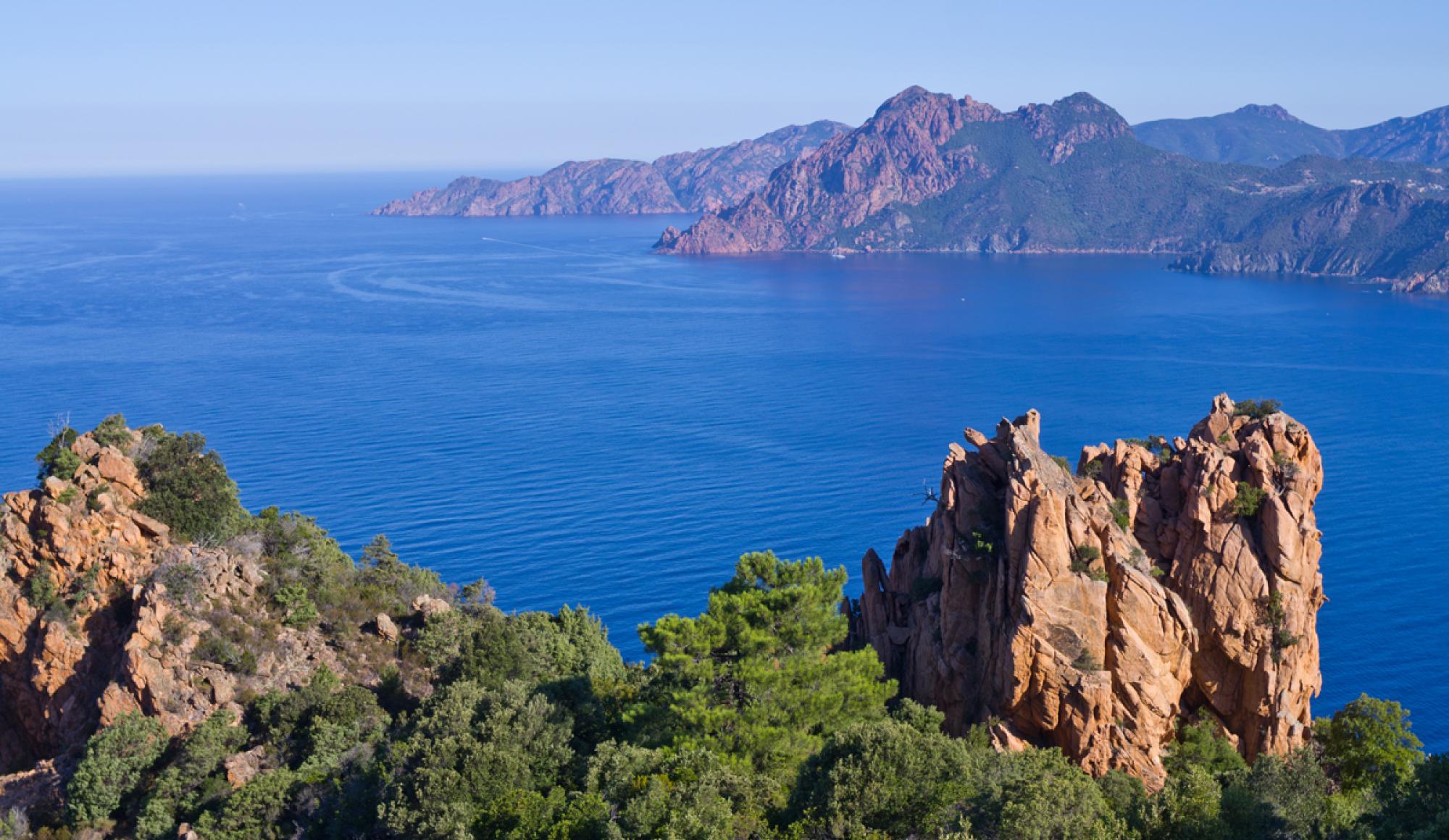
Finally, treat yourself to a stopover in the calanques de Piana, amid red cliffs and turquoise waters. As you sail along the coast, the landscape alternates between heavenly beaches and mysteriously silhouetted pink porphyry rocks.
When to sail around Corsica
Corsica can be visited all year round. However, if you want to navigate the island by sailboat or catamaran, it's best between April and October. In summer, the sea is warm and sailing conditions are ideal. To avoid the crowds, plan your trip for spring or autumn. In June and September, the water is still warm enough for swimming. And the beaches and diving spots are much less crowded!
Schedule at least fifteen days for a catamaran tour of Corsica. For a one-week vacation, prefer a cruise in Southern Corsica or Northern Corsica. First possible itinerary: from Ajaccio to Porto-Vecchio. Here, you can dive in protected waters and swim with octopus, scorpion fish and dolphins. Another option for your seven-day trip: departure from Ajaccio and arrival in Bastia. You won't want to miss the calanques of Piana or the Scandola nature reserve.
Exploring Southern Corsica by van
The beaches of Palombaggia, Campomoro and Roccapiana have earned their reputation. But they are not the region's only treasure. If you're wondering what to do in Corsica other than swimming, head inland. The Alta-Rocca massif and mountain villages have nothing to envy the gulfs of Ajaccio and Porto-Vecchio.
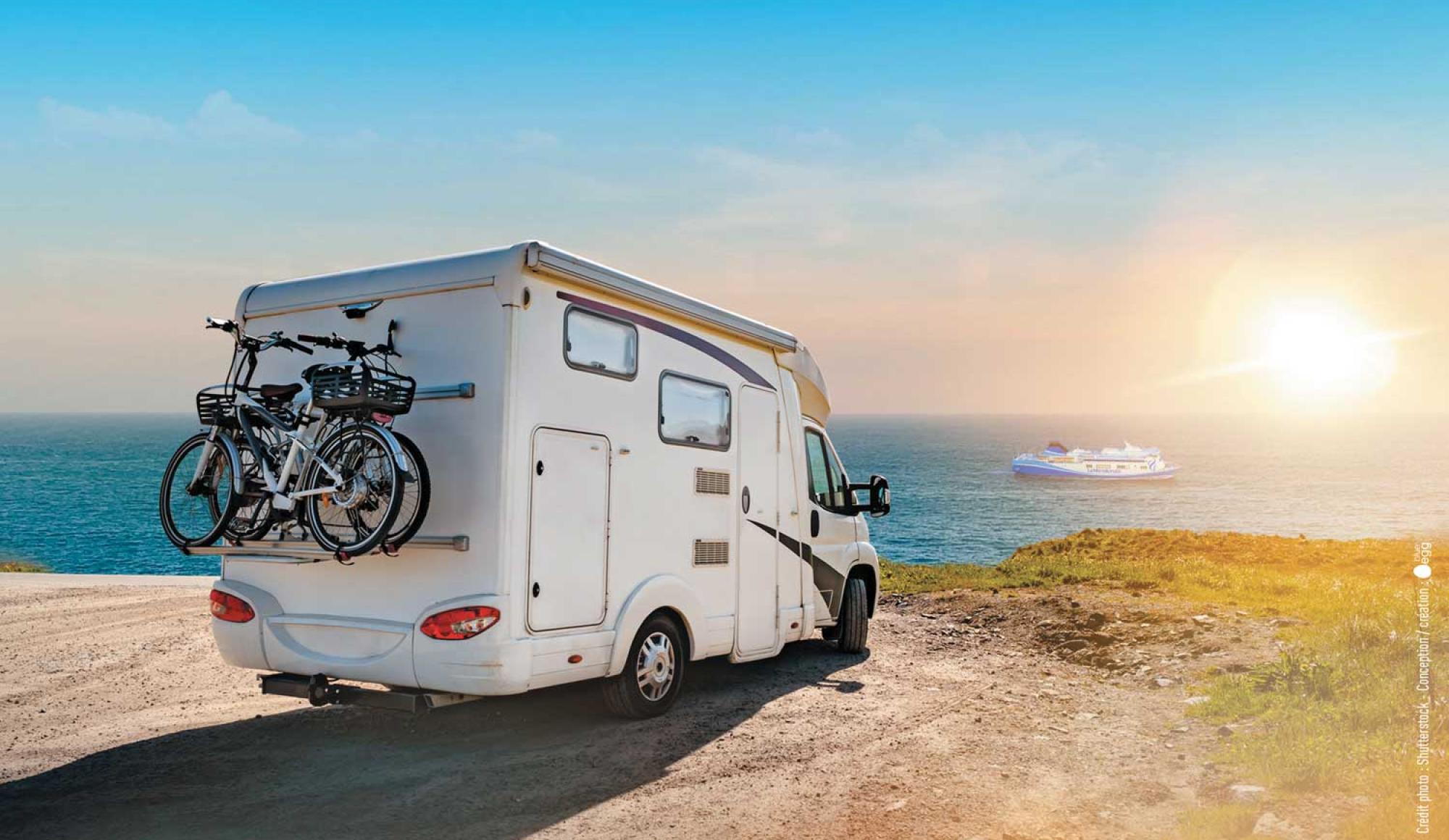
Depending on your pace, allow a week to ten days to discover Southern Corsica by van.
- Start your journey at the Calanques de Piana, to watch the sun set over the red porphyry cliffs
- Go south and stop off at Cargèse to stroll among the bougainvillea and blue-shuttered stone houses
- Follow the coast to Ajaccio to visit the town and snorkel in the bay
- At Propriano, climb to the top of Corsica's highest Genoese tower
- Sartène for its historic medieval center, the view of the mountains and the ambience of Place de la Porta
- Figari to taste local wine and walk to the Piscia di Ghjaddu waterfall
- Stop off at Bonifacio, time to dive with the groupers, climb the Roy d'Aragon staircase and pay your respects at the marine cemetery.
- Porto-Vecchio to party in the old town or stroll around the port
- A few days in the Alta Rocca to admire the Bavella Needles, explore Zonza, L'Ospedale, Aullène and the mountain villages
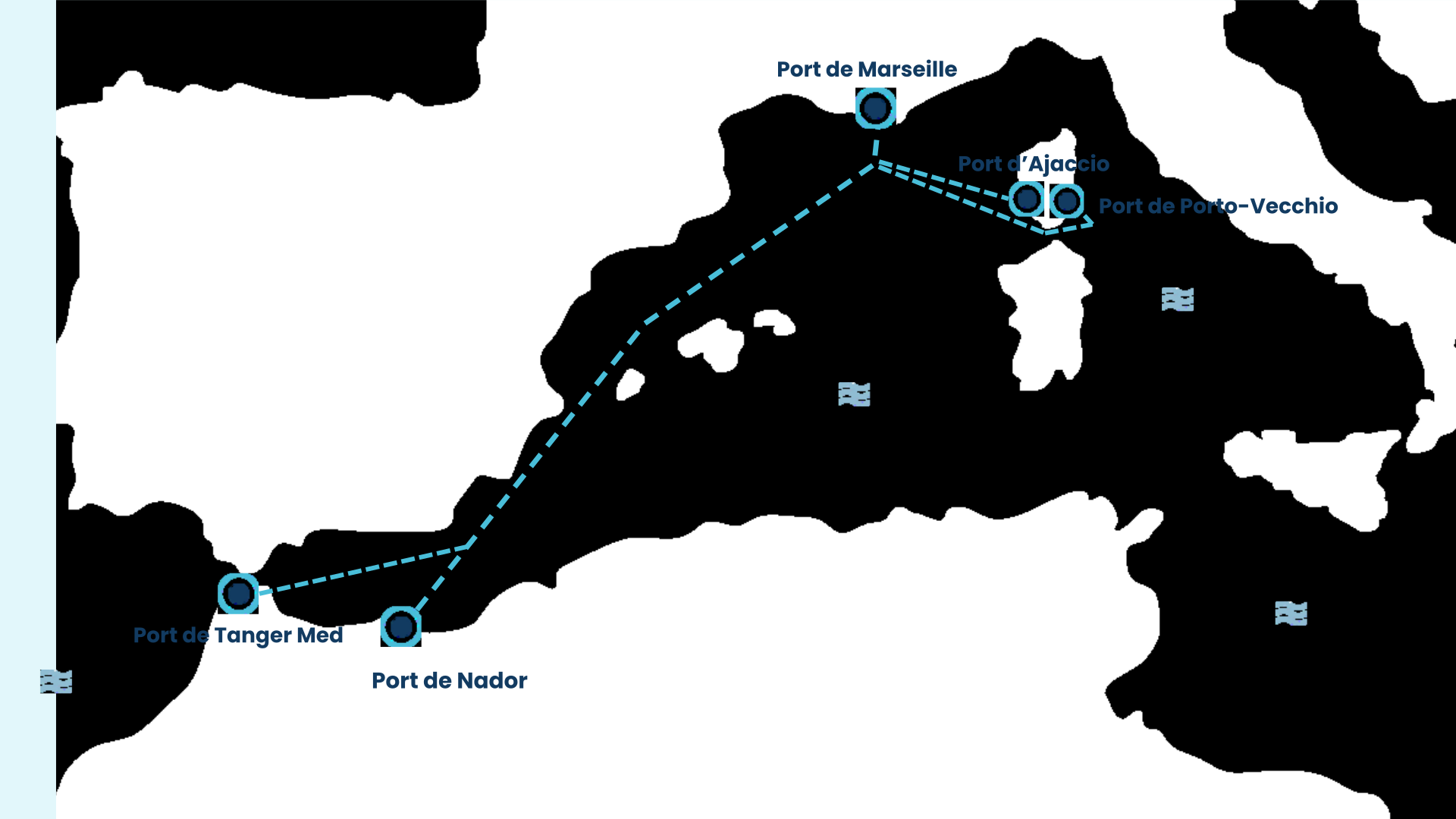
From the Alta Rocca, allow two hours to reach Ajaccio. If you travel with La Méridionale, you can also catch the ferry to Marseille at Porto-Vecchio, just 30 minutes from the hamlet of L'Ospedale.
Exploring Northern Corsica by van
The most emblematic sites are to be found in the south of the Isle of Beauty. But Haute-Corse, with its hamlets, gastronomy and beaches, is also full of charm. Its advantage? It's less crowded than the southern half during the summer.
- First day in Bastia, economic lung of the island and open-air museum of the Baroque movement
- Take a tour of Cap Corse to reach Saint-Florent and stop along the way in Nonza, Patrimonio and Centuri
- Hike through the Agriate desert and swim at Lotu beach
- Buy fresh produce at the Ile Rousse market and head to Calvi via the villages of Balagne
- Stop in Galéria, a fishing village in the heart of an oak forest
- Greet (or climb) Monte Cinto, Corsica's highest peak
- Corte, to visit the citadel and bathe in the Restonica Gorge
- Contemplate the ruins of the ancient city of Aléria and buy oysters at the Diana pond
- Borgo for a stroll among the schist houses and an excursion to the Biguglia Lagoon.
From Borgo, you're 30 minutes from Bastia, your starting point.